International Training on Understanding Forest Carbon Management
Gain practical knowledge of forest carbon science, carbon crediting, policies, measurement, and actionable management strategies for sustainable climate solutions.
Course Background
Forests play a central role in the global climate system, yet human decisions profoundly impact carbon dynamics. This course equips professionals with practical insights into forest carbon management, carbon crediting mechanisms, and climate-relevant land management practices.
ECAS Institute aims to build participants’ confidence in forest carbon science and provide actionable knowledge to make informed decisions supporting climate resilience and sustainable land management.
Course Objectives
Understand the connections between forests, climate, and human decision-making.Gain confidence in carbon cycle and storage science.Learn land management practices specific to carbon, including carbon crediting initiatives.Comprehend domestic and international policies relevant to forest carbon.Acquire skills in carbon measurement, monitoring, and practical tools.Identify action paths for forest carbon-related decisions.What You Will Learn
Foundational carbon science and ecosystem dynamics.Domestic and international forest carbon policies.Forest carbon credits and initiatives.Land management strategies enhancing carbon sequestration.Measurement and monitoring techniques for forest carbon.Available tools and practical action paths for forest carbon management.Target Participants
Natural resource professionalsExtension agentsAll interested individualsTraining Modules
| Module | Title | Key Focus |
|---|
| 1 | Foundations of Forest Carbon Science | Carbon cycle, forest carbon pools, photosynthesis and respiration, role of forests in climate regulation. |
| 2 | Policy and Governance of Forest Carbon | International climate agreements (Paris, UNFCCC), national policies, REDD+, compliance and voluntary carbon markets. |
| 3 | Forest Carbon Credits and Initiatives | Types of carbon credits, verification, trading, project development, case studies, market opportunities and challenges. |
| 4 | Management Considerations for Forest Carbon | Silvicultural practices, impacts of disturbances, integrating timber and carbon goals, adaptive management strategies. |
| 5 | Measuring and Monitoring Forest Carbon | Direct measurement methods, remote sensing, GIS, inventory design, uncertainty management, and quality control. |
| 6 | Tools, Support, and Action Paths | Software tools, technical and financial support, developing management plans, actionable decision-making paths. |
Training Style
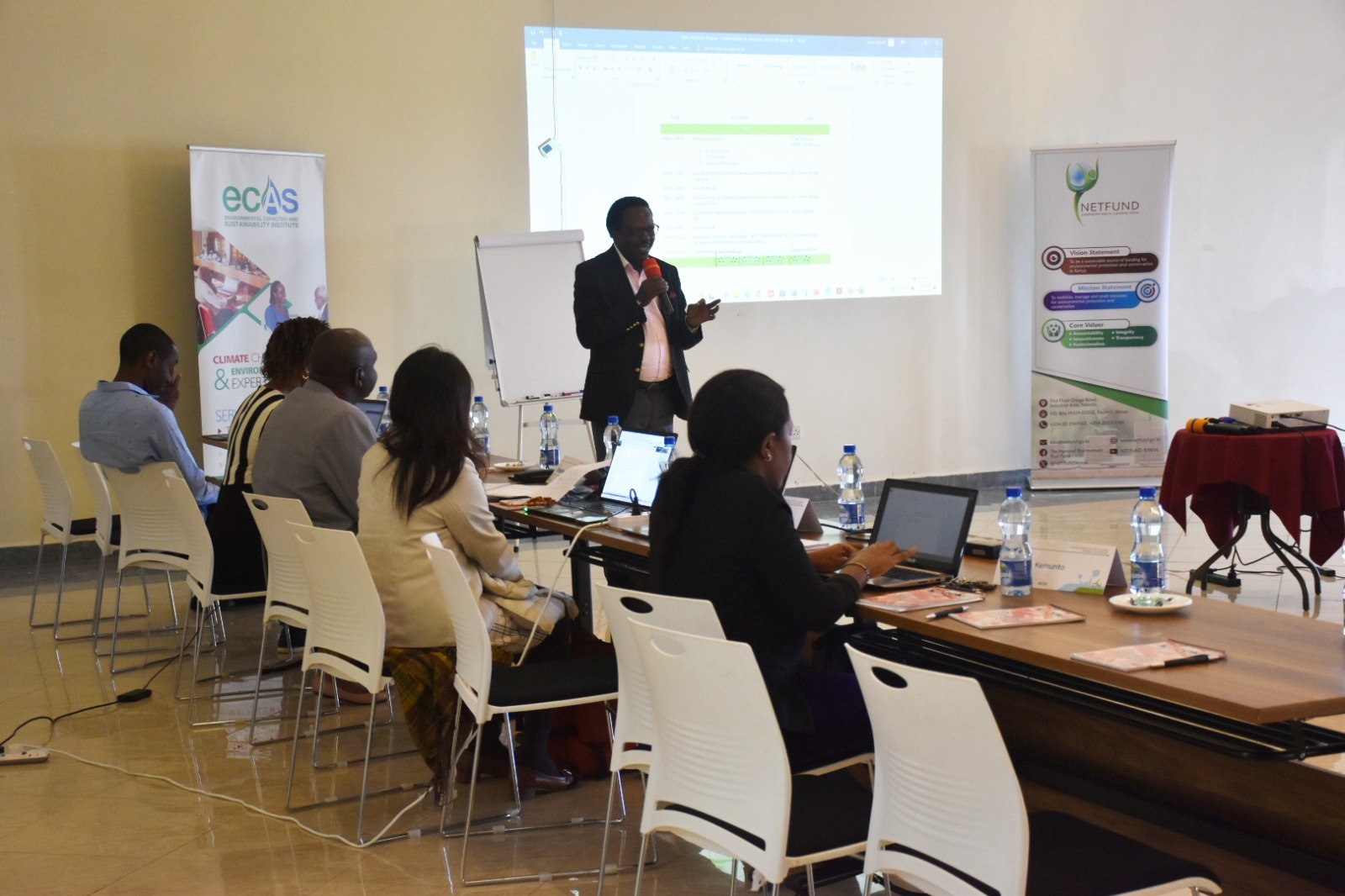
Modules are delivered through lectures, PowerPoint presentations, case studies, field visits, breakout sessions, and interactive discussions. Guest speakers will participate both in-person and online to provide real-world insights.
General Notes
Training manuals and reference materials provided.Certificates issued upon successful completion.Tailor-made courses available for organizations. Contact: info@ecasiafrica.orgAbout ECAS Institute
ECAS Institute delivers independent training, research, and consulting in climate change, carbon markets, renewable energy, biodiversity, agriculture, and food systems. Based in Nairobi, Kenya, ECAS operates across Africa and globally.
Elevate your professional development journey with us. Talk to us!