International Training on Sustainable Energy Systems
Capacity Building Program | ECAS Institute
Course Background
Sustainable energy systems aim to meet current energy needs without compromising the ability of future generations. This course introduces participants to the history of human energy use, environmental impacts of fossil fuels, renewable technologies, electricity generation, carbon sequestration, and advanced energy conversion systems. ECAS Institute empowers learners with knowledge to contribute to resilient and environmentally sound energy systems.
Course Objectives
Explain the history and challenges of human energy use and fossil fuel reliance.Understand the timeline for energy transitions and environmental impacts.Distinguish energy sources based on environmental impact and assess non-renewable capacities.Identify electricity components, carbon emissions links, and carbon sequestration methods.Describe renewable energy sources, biofuels production, and catalytic/biocatalytic routes.Explain thermodynamic principles, geothermal systems, Combined Heat and Power (CHP), and Phase Change Materials (PCM) applications.What You Will Learn
History of human energy use and challenges of fossil fuel dependence.Environmental impacts of energy and the transition timeline.Electricity generation, carbon emissions, and sequestration techniques.Overview of renewable energy sources and biofuel production methods.Thermodynamics, geothermal energy, CHP, and PCM applications.Target Participants
Individuals interested in sustainable energy and environmental protection.Students in environmental science, engineering, or related fields.Professionals seeking foundational knowledge in sustainable energy.Policymakers and community leaders involved in energy transitions.Training Modules
| No | Module | Details |
|---|
| 1 | Sustainability and Environmental Challenges | Evolution of human energy consumption, non-renewable reserves, environmental impacts of fossil fuels, sustainability concepts, and energy transition timelines. |
| 2 | Energy Sources, Carriers, and Energy Uses | Electricity fundamentals, carbon emissions links, conventional energy sources, carbon capture and sequestration, and the role of electricity as an energy carrier. |
| 3 | Renewable Energy Sources and Biofuels | Major renewable sources (solar, wind, hydro, geothermal, tidal), operation principles, biofuels motivations, types of biofuels, and catalytic/biocatalytic conversion methods. |
| 4 | Advanced Energy Conversion and Heat Systems | Thermodynamic principles, geothermal systems, Combined Heat and Power (CHP), Phase Change Materials (PCM), and advanced heat recovery techniques. |
Training Style
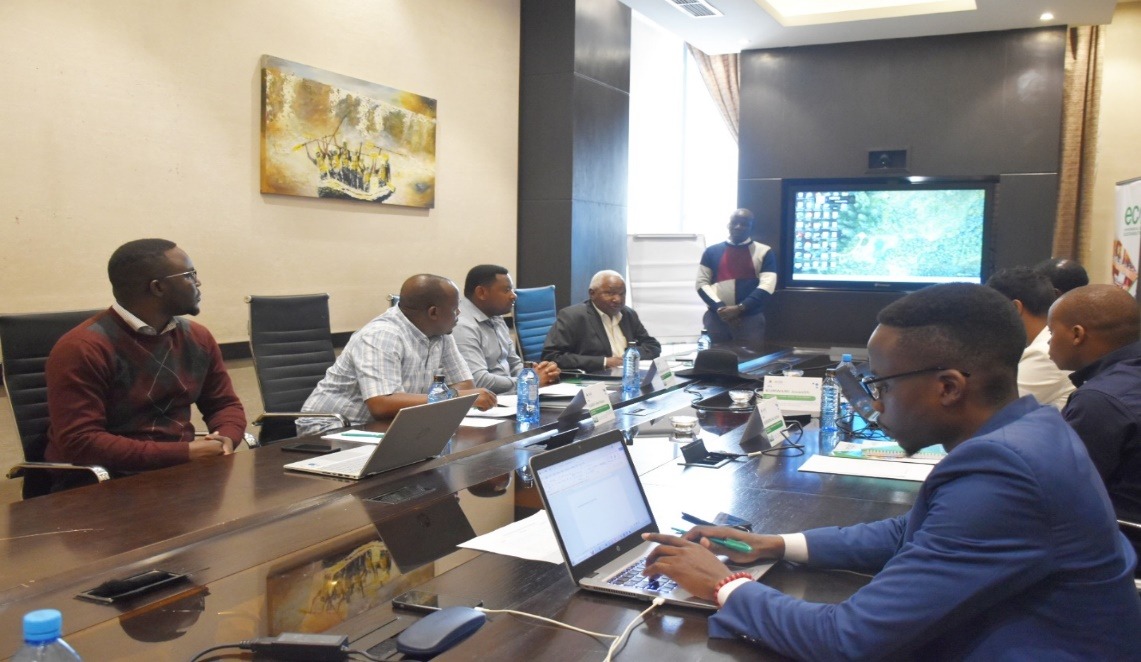
The course combines PowerPoint presentations, lectures, case studies, field visits, breakout sessions, and interactive discussions. Guest speakers participate both in-person and via online platforms. Faculty include experienced decision-makers, practitioners, and academic experts. Group discussions, plenary sessions, and scenario-based learning reinforce theoretical knowledge.
General Notes
Training manuals and reference materials provided.Certificate issued upon successful completion.Tailor-made courses available for organizations. Contact: info@ecasiafrica.orgAbout ECAS Institute
ECAS Institute provides training, research, and consulting in climate change, renewable energy, carbon markets, nature-based solutions, biodiversity, agriculture, and food systems. Based in Nairobi, Kenya, ECAS operates across Africa and globally, partnering with institutions in Europe, the USA, and beyond.