International Training on Mastering Project and Programme Management Skills
Gain the skills and knowledge to manage projects and programmes successfully from initiation to evaluation. This course blends international best practices (PMI, PRINCE2, Agile) with practical approaches tailored for the public sector, NGOs, and development organizations.
Course Objectives
Understand core principles of project and programme management.Design and manage complex initiatives using structured methodologies.Develop and monitor work plans, budgets, and risk registers.Lead diverse project teams effectively.Communicate with stakeholders and manage expectations.Use monitoring and evaluation to assess outcomes and improve performance.What You Will Learn
Project lifecycle management and work breakdown structures (WBS).Programme-level planning aligned with strategic goals.Stakeholder analysis and communication planning.Risk identification, mitigation, and adaptive responses.Budgeting, procurement, and resource management.Monitoring, evaluation, and reporting tools.Leadership and team performance in dynamic environments.Target Participants
Mid- to senior-level professionals in project and programme management, M&E specialists, operations managers, technical leads, donor coordination officers, and consultants in government, NGOs, and international development agencies. Also suitable for professionals transitioning into leadership roles or mentoring staff in programme delivery.
Training Style
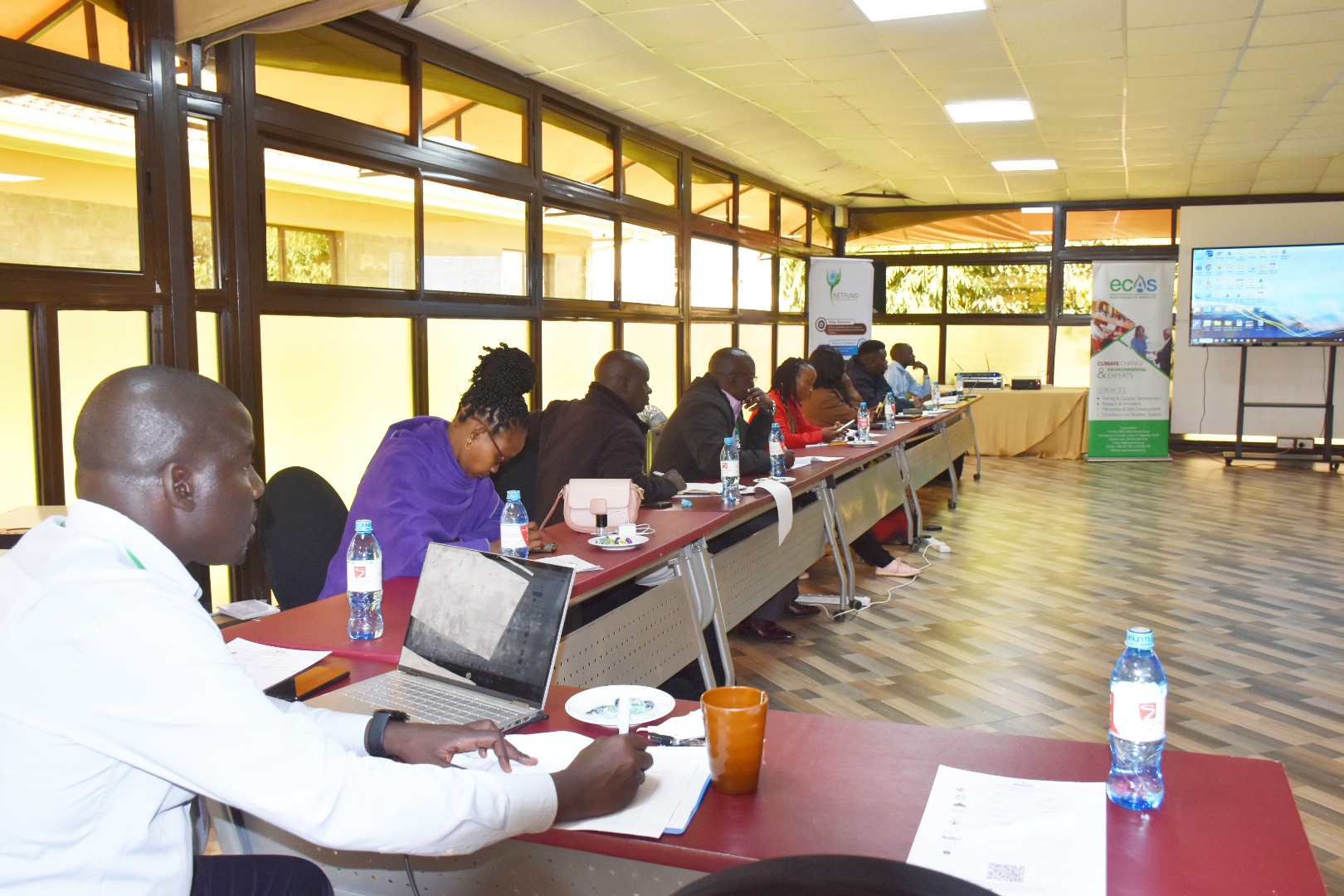
Interactive learning via PowerPoint presentations, lectures, case studies, field visits, breakout sessions, and guest speakers (in-person and via Zoom). Emphasis on practical exercises, group discussions, simulations, and facilitated feedback for immediate application of skills.
Training Modules
| No | Module | Details |
|---|
| 1 | Strategic Foundations of Project and Programme Management | Principles and frameworks of project and programme management, results-based management, sustainability integration, and global standards (PMI, PRINCE2, Agile). |
| 2 | Project Design, Planning, and Resource Management | Work breakdown structures, Gantt charts, resource allocation, budget planning, critical path analysis, and identifying assumptions and constraints. |
| 3 | Risk Management and Adaptive Implementation | Identifying and mitigating project risks, adaptive management, contingency planning, business continuity, and change management strategies. |
| 4 | Leading Teams and Managing Stakeholders | Team building, stakeholder engagement, leadership styles, conflict resolution, negotiation, and communication planning. |
| 5 | Monitoring, Evaluation, and Reporting for Project Success | M&E planning, indicators and targets, data collection, adaptive learning, and communicating results to stakeholders and donors. |
| 6 | Simulation and Real-World Application | Group-based project simulation, real-time risk response, project plan presentation and critique, peer learning, and action planning for real-life application. |
General Notes
Training manuals and reference materials provided.Certificate issued upon successful completion.Tailor-made courses available: info@ecasiafrica.orgPayment must be sent to our bank account before training; proof of payment emailed to the above address. Enroll Now
About ECAS Institute
The ECAS Institute delivers independent training, research, and consulting services in climate change, resilience building, carbon markets, renewable energy, nature-based solutions, biodiversity conservation, agriculture, and food systems. Based in Nairobi, Kenya, ECAS operates across Africa and globally with partners from the UK, Denmark, Italy, Sweden, Germany, and the USA.