International Training on Linkages Between Food Security, Nutrition and Social Protection
An Introduction to Basic Concepts and Principles
Course Background
In a world facing persistent hunger, malnutrition, and growing vulnerability to climate and economic shocks, understanding the linkages between food security, nutrition, and social protection has never been more crucial. Social protection programs, when designed and implemented effectively, can play a vital role in addressing the root causes of food insecurity and malnutrition.
This course, offered by Environmental Capacities and Sustainability (ECAS), provides a foundational understanding of how these three areas intersect, and how integrated approaches can enhance outcomes for vulnerable populations. It introduces participants to fundamental concepts, global frameworks, and practical strategies that underpin effective programming in sustainable development, humanitarian assistance, and resilience building.
Course Objectives
Understand the basic concepts and definitions of food security, nutrition, and social protection.Explain how social protection interventions contribute to food security and nutrition outcomes.Identify key components of integrated programming across the three sectors.Recognize policy and programmatic entry points for improved coordination.Analyze institutional and policy environments that enable integration.What You Will Learn
Conceptual frameworks for food security, nutrition, and social protection.How integrated approaches support Sustainable Development Goals (SDGs).Using social protection as a platform to address food insecurity and malnutrition.Examples and lessons from global integrated programming.Policy and institutional considerations for cross-sector collaboration.Target Participants
This course is designed for professionals involved in the planning, implementation, or evaluation of food security, nutrition, and social protection programs. It is particularly relevant to policymakers, government officials, development practitioners, programme managers, humanitarian actors, researchers, NGOs, civil society organizations, and donor agencies interested in multi-sectoral and integrated approaches.
Training Modules
| No. | Module | Key Focus Areas |
|---|
| 1 | Introduction to Food Security, Nutrition and Social Protection |
Definitions and concepts
Global challenges and trends
Rationale for integration
SDGs and international commitments |
| 2 | Interlinkages and Synergies |
Pathways linking social protection to nutrition and food security
Evidence of impact
Policy and program synergies
Case studies |
| 3 | Designing and Implementing Integrated Programs |
Integrated program design
Targeting and delivery systems
Cash, in-kind and school feeding programs
Monitoring and evaluation |
| 4 | Enabling Environment and Policy Frameworks |
Institutional coordination
Policy coherence and financing
Advocacy and political commitment
Long-term sustainability and resilience |
Training Style
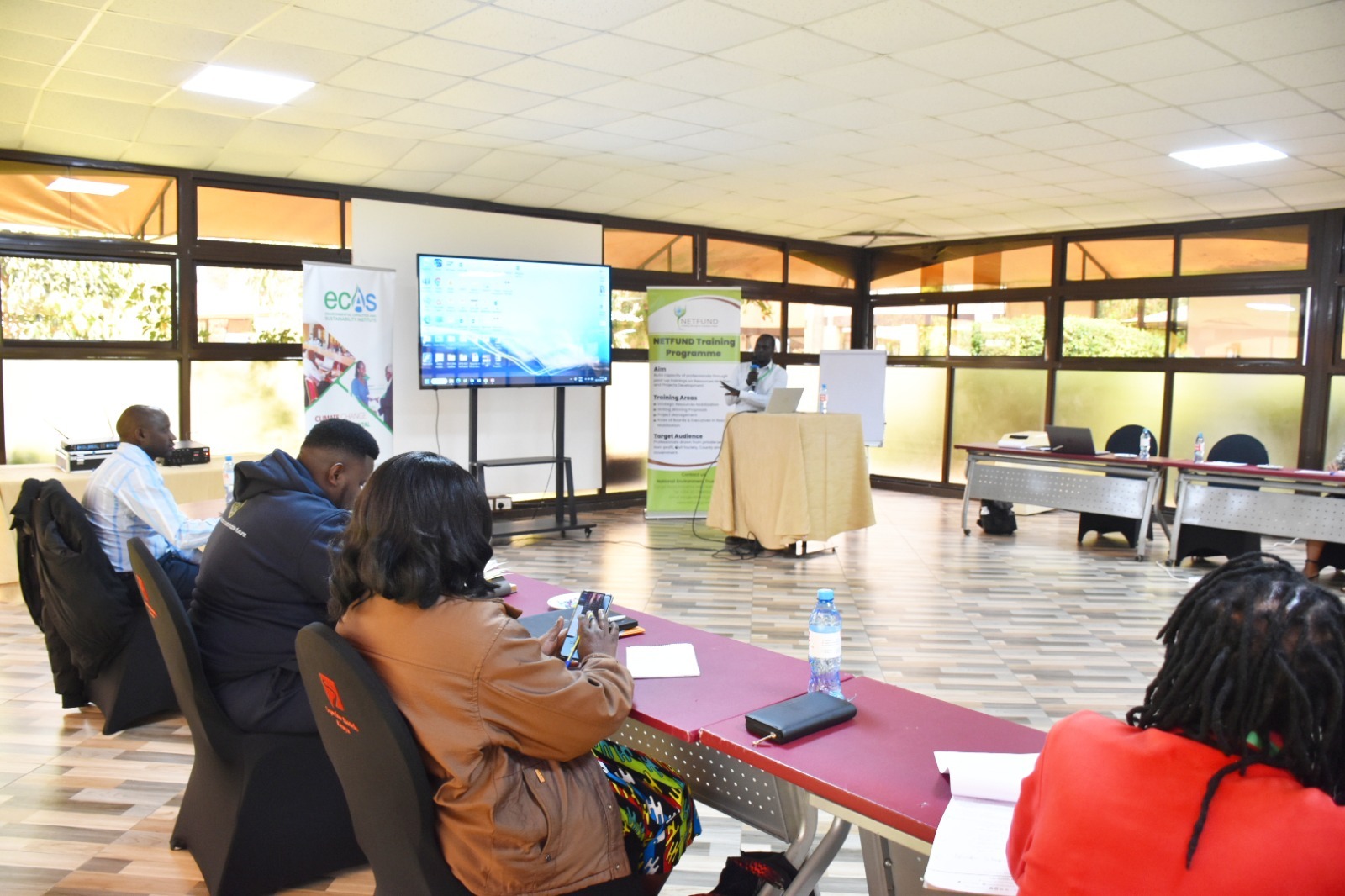
The training combines expert-led lectures, PowerPoint presentations, case studies, group discussions, breakout sessions, and interactive learning activities. Guest speakers from international and regional institutions contribute practical insights, while participatory approaches encourage peer learning and real-world application.