International Training on Implementation of Farmer Field School Programmes
Empowering Smallholder Farmers for Sustainable Agricultural Development
Course Background
The Farmer Field School (FFS) approach is a participatory education methodology designed to empower small-scale farmers through hands-on, experiential learning. Originating in Asia and adapted globally, FFS focuses on participatory, group-based problem-solving and the integration of local knowledge in sustainable agriculture.
This course builds on foundational knowledge provided in the “Introduction to the FFS Approach” and focuses on the next step: designing and implementing large-scale, context-specific, and community-driven FFS programmes. It provides practitioners and organizations with the tools and strategic guidance needed to roll out FFS interventions that strengthen local decision-making and contribute to sustainable development.
In the face of growing environmental, economic, and food security challenges, FFS programmes play a pivotal role in building resilient food systems. This course equips stakeholders with practical tools for successfully implementing and scaling these programmes.
Course Objectives
Plan and initiate context-specific FFS programmes tailored to local agricultural needs.Identify key roles, responsibilities, and training needs of all actors involved in FFS implementation.Develop and apply strategies to strengthen human capacity for sustainable programme delivery.Co-design participatory and adaptive FFS curricula with communities.Organize and deliver effective field schools aligned with seasonal agricultural cycles.Implement robust programme management practices, including budgeting, monitoring & evaluation (M&E), and impact assessment.What You Will Learn
The process to plan and initiate a Farmer Field School (FFS) programme.Roles and responsibilities in an FFS programme, including training needs of facilitators and community leaders.Strategies for developing the human capacity needed to support FFS implementation.Co-creation process of developing FFS curricula in collaboration with local communities.Effective activities to deliver FFS sessions throughout the agricultural season.Comprehensive programme management, including budgeting, monitoring & evaluation (M&E), and impact assessment.Target Participants
This course is designed for individuals involved in planning, implementing, managing, and evaluating Farmer Field School programmes, including:
Project ManagersProject Formulators and EvaluatorsGovernment Staff (especially in agriculture and rural development)FFS Practitioners and FacilitatorsAgricultural Extension OfficersResearchers and Development PartnersTraining Modules
| No. | Module | Details |
|---|
| 1 | Planning and Initiating an FFS Programme |
This module covers key steps in planning and launching an FFS programme, including stakeholder engagement, needs assessments, and setting programme objectives. |
| 2 | Development of Human Capacity |
Focuses on developing the human resources needed to run FFS effectively, including training and mentoring of facilitators and leaders. |
| 3 | Curriculum Development |
This module discusses the participatory process of developing FFS curricula, integrating local knowledge and scientific information, and piloting the curriculum. |
| 4 | Organizing and Running an FFS |
Guidance on mobilizing and organizing FFS groups, planning sessions, and ensuring active participation and effective learning. |
| 5 | FFS Programme Management |
Focuses on the key elements of programme management, including budgeting, M&E, impact assessment, and strategies for scaling up. |
Training Style
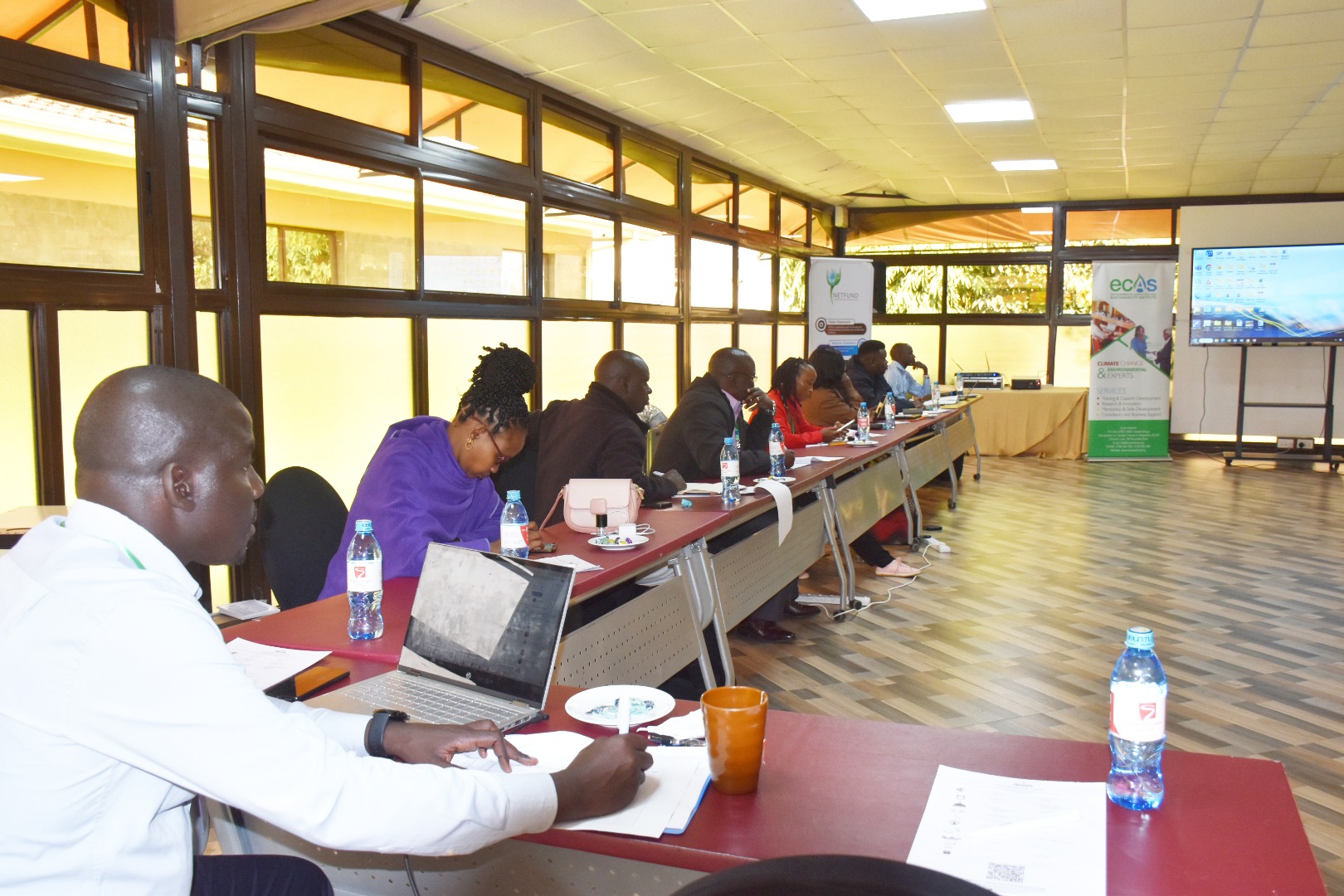
The course is taught through a mix of PowerPoint presentations, lectures, case studies, breakout sessions, and field visits. Guest speakers from both local and international backgrounds will share their experiences in FFS programme implementation.