International Training on Gender Equality, Diversity & Social Inclusion (GEDSI)
Offered by ECAS Institute
Course Background
Fostering Gender Equality, Diversity, and Social Inclusion (GEDSI) is essential for achieving sustainable development and social equity.
This course equips participants with the knowledge and skills to integrate GEDSI principles into professional and community initiatives, particularly within environmental and sustainability projects.
Participants will analyze systemic barriers, explore inclusive strategies, and develop practical solutions through case studies and interactive discussions. The program empowers individuals to advocate for equity and inclusion in their organizations and communities.
Course Objectives
Understand GEDSI principles and their importance in sustainable development
Identify systemic barriers to inclusivity in various sectors
Integrate GEDSI principles into projects and organizational policies
Enhance cultural competence and effectiveness in diverse settings
Advocate for inclusive policies at organizational and community levels
Apply best practices to foster inclusive organizational environments
Assess and improve the impact of GEDSI initiatives
What You Will Learn
Importance of GEDSI in professional and sustainability contexts
Techniques to identify and address systemic barriers
Methods to incorporate GEDSI principles into projects
Skills to navigate and respect diverse cultural perspectives
Policy development and advocacy strategies for inclusion
Best practices for creating inclusive organizational cultures
Tools to evaluate and continuously improve GEDSI initiatives
Target Participants
Environmental professionals, sustainability practitioners, policymakers, organizational leaders, community advocates, educators, researchers, and students seeking to promote gender equality and social inclusion in their work and organizations.
Training Modules
| No |
Module |
Key Focus Areas |
| 1 |
Introduction to GEDSI |
Fundamental concepts, historical/cultural perspectives, business & social cases, key definitions, societal norms, roles of individuals/organizations |
| 2 |
Unconscious Bias and Stereotypes |
Origins of bias, stereotype identification, impact on decision-making, mitigation strategies, self-reflection, inclusive practices |
| 3 |
Creating Inclusive Environments |
Inclusive leadership, team management, culture of belonging, inclusive policies, overcoming resistance, assessment tools, best practices |
| 4 |
Systemic Barriers to GEDSI |
Structural inequalities, discrimination, economic disparities, power dynamics, policy impact, intersectional analysis, solutions |
| 5 |
Legal and Policy Frameworks |
International & national legislation, organizational policies, compliance, advocacy, case studies, policy improvement, organizational impact |
| 6 |
Intersectionality |
Definition, overlapping identities, compounded discrimination, privilege analysis, action planning for inclusivity |
| 7 |
Inclusive Leadership and Communication |
Effective communication, leadership approaches, allyship, addressing barriers, cultural competence, feedback mechanisms, real-life examples |
| 8 |
Case Studies and Best Practices |
Successful GEDSI initiatives, lessons learned, adapting best practices, impact evaluation, implementation strategies |
Training Style
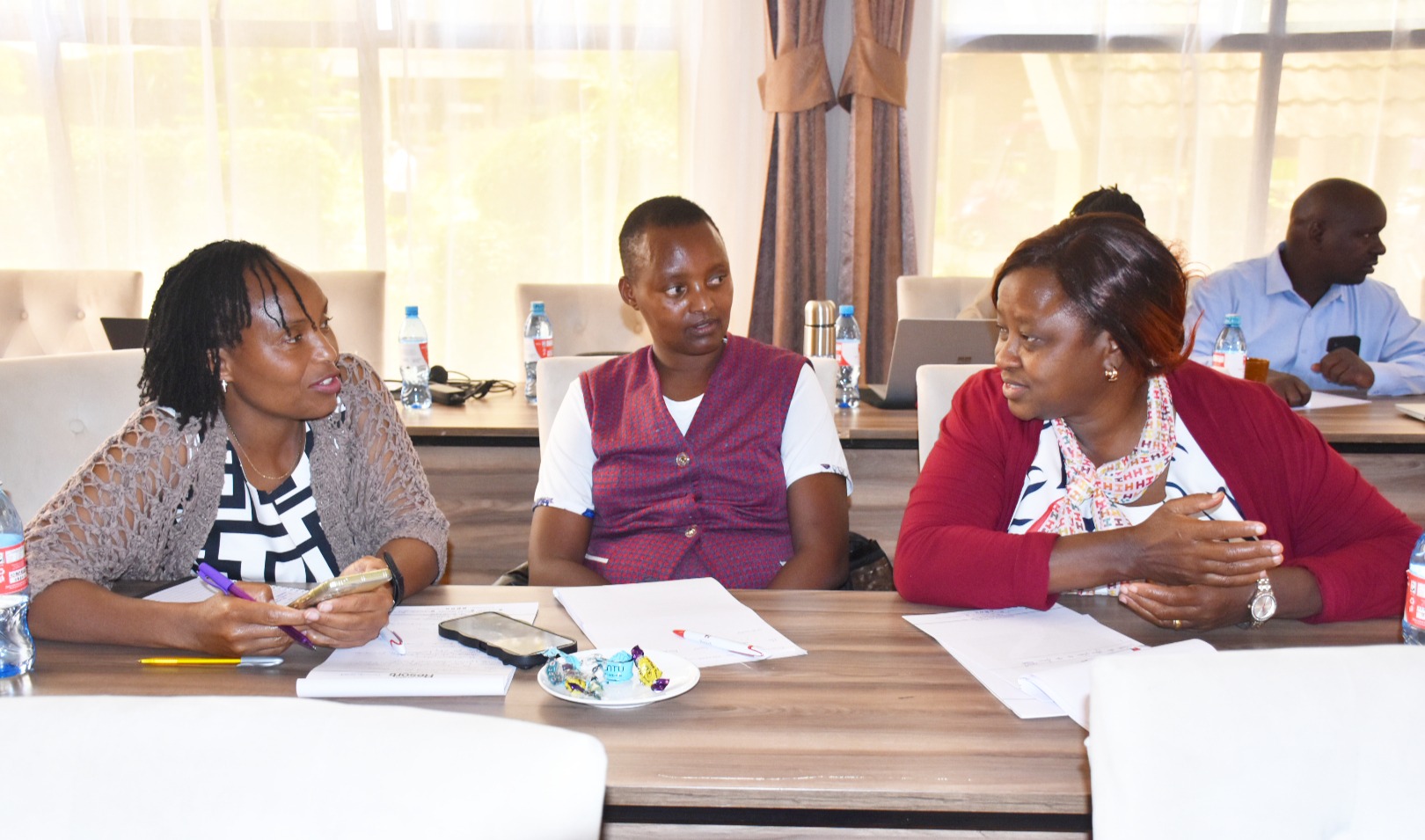
Interactive lectures, case studies, group discussions, role-playing, and self-assessment tools ensure a practical and engaging learning experience. Participants will apply GEDSI principles to real-world scenarios.
General Notes
Training manuals and reference materials provided
Certificate awarded upon successful completion
Tailor-made courses available
Contact: info@ecasiafrica.org
About ECAS Institute
ECAS Institute delivers independent and targeted training, research, and consulting across Africa and globally, focusing on climate change, resilience building, renewable energy, biodiversity, agriculture, and sustainability.
Elevate your professional development journey with us.