International Training on Environmental Rights & Responsibilities: A Citizen’s Guide
Course Background
A healthy environment is fundamental to human well-being, yet environmental degradation continues to pose significant threats globally. While governments and organizations play a major role, ordinary citizens also hold powerful rights and responsibilities concerning the environment. Many people are unaware of these rights or how to exercise them effectively. Similarly, there’s often a lack of understanding about individual responsibilities beyond basic actions like recycling. This gap limits citizen engagement and hinders collective efforts to safeguard our planet.
ECAS Institute, committed to promoting environmental stewardship and active citizenship, offers this practical “Citizen’s Guide” course to empower individuals with knowledge about environmental rights and responsibilities. The course equips citizens to participate in environmental decisions, exercise their rights, and contribute to sustainable communities.
Course Objectives
Define and articulate fundamental environmental rights, including procedural rights like access to information, public participation, and access to justice.Identify and understand personal and collective environmental responsibilities.Recognize key national and international legal frameworks for environmental protection.Apply practical strategies to exercise environmental rights and report violations.Implement actionable steps to fulfill environmental responsibilities in communities.What You Will Learn
Fundamental environmental rights and their global and national recognition.Practical responsibilities for environmental protection, including waste reduction, energy saving, and sustainable consumption.How to access environmental laws, agreements, and information.Practical ways to participate in environmental decision-making and advocacy.Actionable steps to contribute to conservation and community sustainability.Duration and Program
The course is structured for accessibility and engagement, combining clear explanations, real-world examples, interactive discussions, and practical exercises. The detailed schedule, including session timings and group activities, will be shared before the training.
Target Participants
This course is designed for:
General public interested in environmental rights and responsibilitiesCommunity members in areas affected by environmental issuesStudents from high school to university levelLocal community leadersActivists and volunteers in environmental organizationsEducators teaching environmental citizenshipAnyone seeking to contribute to a healthier planetTraining Modules
Understanding Your Environmental Rights
Universal right to a clean, healthy, and sustainable environmentProcedural rights: Access to Information, Public Participation, and Access to JusticeConnection between environmental rights and other human rights (life, health, food, water)Overview of international declarations and national constitutional provisionsFulfilling Your Environmental Responsibilities
Everyday actions: Reduce, Reuse, RecycleSustainable consumption: food, energy, transport, productsReducing personal carbon footprintResponsible waste management and pollution preventionProtecting local biodiversity and natural spacesExercising Your Rights: Participation & Information
Accessing environmental information from government and companiesParticipating in environmental impact assessments (EIAs), policy, and planningEffective ways to voice concerns: hearings, submissions, meetings, online platformsEngaging with environmental advocacy groupsSeeking Justice and Accountability
Identifying environmental violationsReporting environmental harm to authoritiesIntroduction to legal avenues for environmental justiceRole of civil society organizations and environmental defendersBuilding a Sustainable Community: Citizen Action
Participating in local environmental projects (clean-ups, tree planting, community gardens)Advocating for stronger policies and enforcementBuilding environmental awareness in families, schools, and communitiesCase studies of successful citizen-led initiativesTraining Style
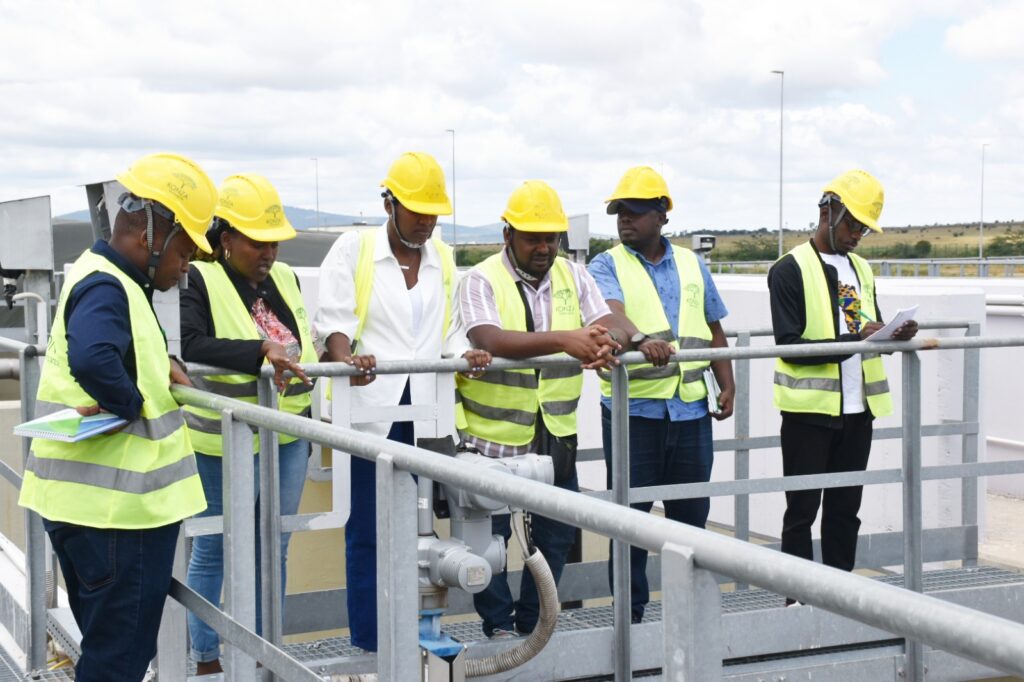
The course uses PowerPoint presentations, lectures, case studies, field visits, breakout sessions, and guest speakers (in-person and online). Experienced practitioners and decision-makers provide practical insights. Interactive discussions, group work, and plenary engagements complement theoretical learning.
General Notes
Training manuals and reference materials provided.Certificate issued upon successful completion.Tailor-made courses for organizations available: info@ecasiafrica.orgPayment must be sent to ECAS Institute bank account prior to training; proof of payment to: info@ecasiafrica.orgAbout ECAS Institute
ECAS Institute provides independent, targeted training, research, and consulting services in climate change, resilience, carbon markets, renewable energy, nature-based solutions, biodiversity conservation, agriculture, and food systems. Located in Nairobi, Kenya, ECAS works across Africa and internationally, supporting partners in the UK, Denmark, Italy, Sweden, Germany, and the USA.