
International Training on Environmental Management and Safety Aspects of Energy Projects
Concept Note
Background
Energy projects play a vital role in economic growth and social development, covering fossil fuels, renewable energy, and power transmission systems. However, these projects present significant environmental and occupational safety risks. If poorly managed, they can result in pollution, deforestation, habitat loss, climate change impacts, and serious workplace accidents.
As the global energy sector transitions toward cleaner and more sustainable solutions, environmental management and safety integration have become critical for regulatory compliance and long-term sustainability. Governments and international bodies are strengthening environmental laws, climate policies, and occupational health and safety standards, increasing the demand for skilled professionals in environmental and safety risk management.
Organizations that fail to comply with environmental and safety requirements face legal penalties, reputational damage, operational disruptions, and financial losses. This makes environmental governance and workplace safety essential components of modern energy project development.
The Environmental Management and Safety Aspects of Energy Projects training, offered under ECAS, provides a comprehensive framework for managing environmental, social, and safety risks across energy production, transmission, and distribution. The course covers Environmental Impact Assessment (EIA), pollution control, waste management, occupational health and safety (OHS), regulatory compliance, and sustainable energy strategies.
Objectives of the Training
What You Will Learn
Target Participants
This course is designed for professionals involved in energy project planning, implementation, regulation, and sustainability, including:
Training Modules
Environmental and Safety Challenges in Energy Projects
Environmental Impact Assessment (EIA) for Energy Projects
Pollution Control and Waste Management
Occupational Health and Safety (OHS)
Regulatory Compliance and Environmental Governance
Sustainable Energy Practices and Climate Resilience
Case Studies and Practical Applications
Training Style
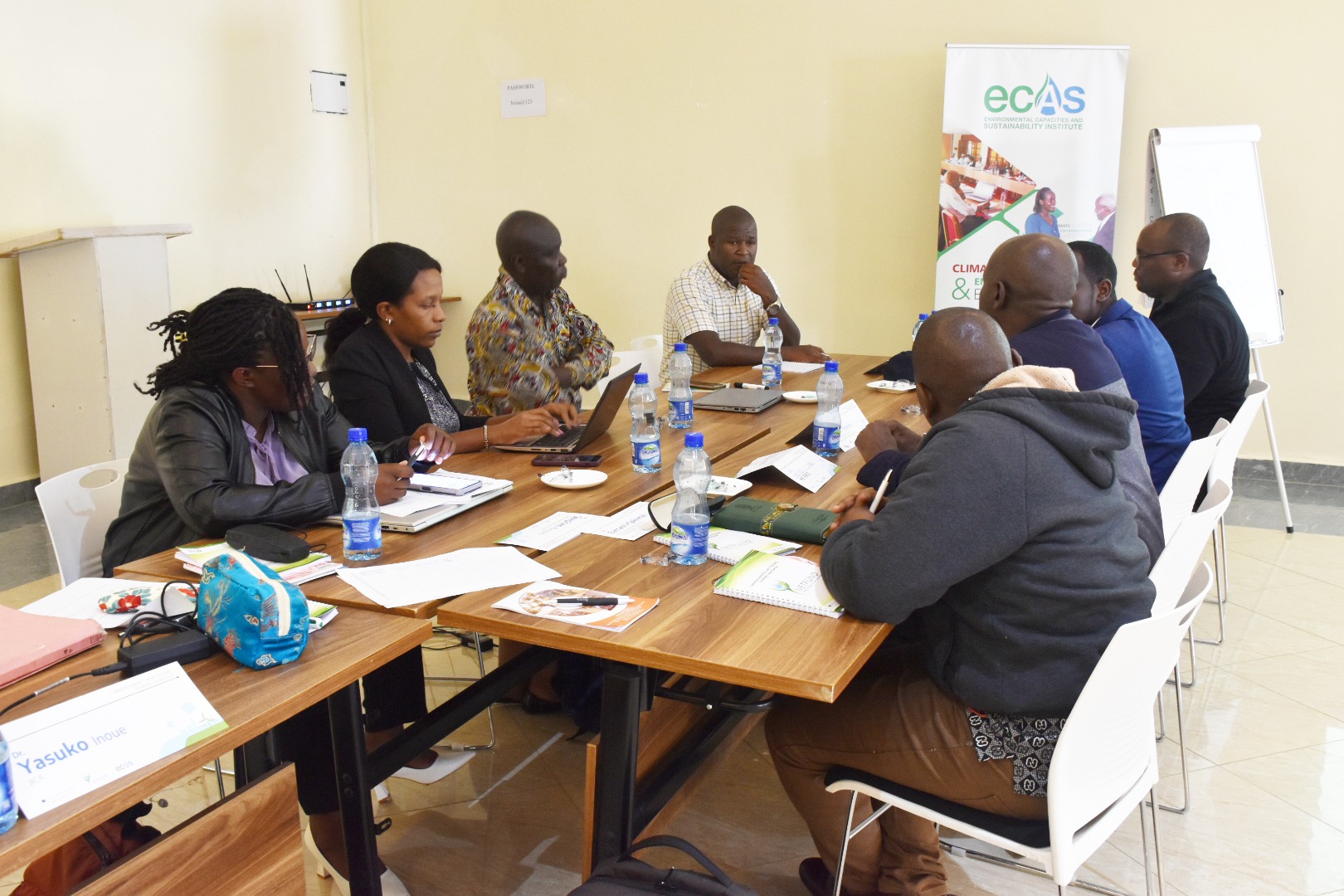
The course adopts a practical and interactive learning approach led by experienced industry experts and environmental specialists. Training methods include case studies, group discussions, workshops, and scenario-based simulations.
Participants engage in hands-on exercises such as Environmental Impact Assessments, safety risk evaluations, and mitigation planning. Stakeholder engagement and role-playing activities enhance communication and decision-making skills, ensuring participants can apply knowledge directly in real-world energy projects.
General Notes
About ECAS Institute
The ECAS Institute designs and delivers specialized training, research, and consulting services focused on climate change, resilience building, carbon markets, renewable energy, nature-based solutions, biodiversity conservation, agriculture, and food systems.
Based in Nairobi, Kenya, ECAS works across Africa and has implemented programs in Kenya, Tanzania, Uganda, South Sudan, Somalia, Malawi, Rwanda, Congo, and South Africa. Globally, ECAS partners with institutions in the UK, Denmark, Italy, Sweden, Germany, and the USA.


