International Training on Energy Law
Course BackgroundObjectivesTraining ModulesTarget ParticipantsTraining StyleAbout ECAS InstituteCourse Background
Energy law stands at the forefront of many pressing global crises, from geopolitical energy conflicts and climate change energy transition, to pollution challenges and energy justice. ECAS Institute offers this course to provide a comprehensive introduction to both solutions and challenges within energy law, delivered by experts from academia, law firms, and industry, from an international and comparative perspective.
Participants will explore the viability of current legal frameworks, investment implications, technological and regulatory options, and the pivotal role of lawyers in global energy transitions.
Course Objectives
Understand the complex system of energy law, including energy independence, economics, security, and sustainability.Analyze carbon reduction policies and their legal frameworks.Examine climate change litigation and its impact on the energy sector.Evaluate the changing legal landscape in the oil & gas sector and energy transition.Explore Carbon Capture & Storage (CCS) regulations.Understand legal challenges of offshore installation decommissioning.Recognize the implications of maritime boundary disputes for energy investments.Comprehend the role of lawyers in energy crisis and disaster response.Gain insights into renewable energy law and its future direction.Training Modules
| Module | Details |
|---|
| Energy Law as a Complex System | Energy independence, economics, security, and environmental sustainability. |
| Carbon Reduction Policies | Legal frameworks, effectiveness, challenges, and future prospects. |
| Climate Change Litigation | Types of litigation, legal precedents, and energy sector impacts. |
| Changing Legal Landscape in Oil & Gas | Decarbonization goals, regulatory responses, opportunities for legal professionals. |
| Carbon Capture & Storage (CCS) | Permitting, licensing, liability, and international frameworks. |
| Decommissioning Offshore Installations | International/national regulations, environmental liabilities, case studies. |
| Maritime Boundary Disputes | UNCLOS principles, dispute resolution, seabed energy investment impacts. |
| Role of Lawyers in Energy Crisis | Emergency legal frameworks, liability, crisis communication, regulatory compliance. |
| Renewable Energy Law | Legal frameworks, incentives, permitting, grid integration, emerging trends. |
Target Participants
This course is ideal for:
Legal practitioners, law students, and academicsNon-lawyers interested in global energy governance, environmental law, climate change law, and energy transition lawTraining Style
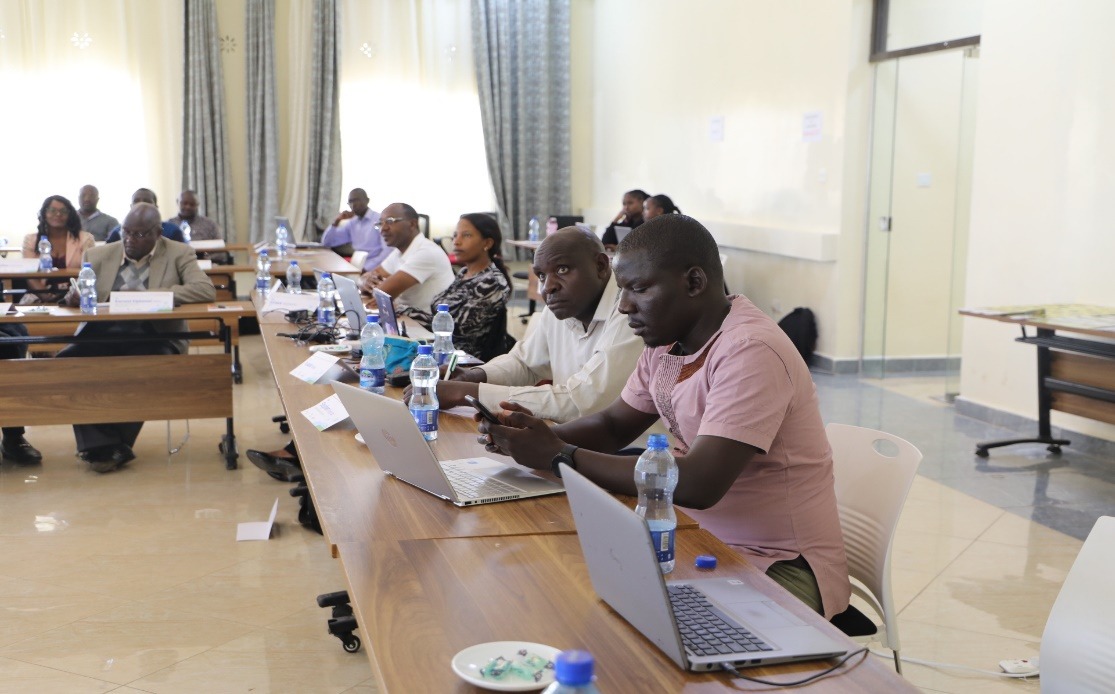
The course will include PowerPoint presentations, lectures, case studies, breakout sessions, field visits, and interactive discussions. Guest speakers will participate both in-person and online to provide real-world insights. Training manuals and reference materials will be provided, and participants will receive a certificate upon completion.
About ECAS Institute
ECAS Institute delivers independent and targeted training, research, and consulting in climate change, carbon markets, renewable energy, nature-based solutions, biodiversity conservation, and agriculture. Based in Nairobi, Kenya, ECAS works across Africa and globally to support climate and energy initiatives.
Contact: info@ecasiafrica.org