Concept Note: International Training on Ecosystem Approach to Fisheries
Introduction
Course Background
Global fisheries face increasing pressure from overexploitation, habitat degradation, and
climate change, often exacerbated by traditional management practices that focus narrowly
on single species rather than the interconnectedness of aquatic ecosystems. This fragmented
approach can lead to unintended ecological consequences and hinder the long-term
sustainability of vital marine and freshwater resources. There is a growing international
consensus that a more holistic, integrated management framework is essential to ensure
the health of aquatic environments and the livelihoods of communities dependent on fisheries.
ECAS Institute, dedicated to promoting sustainable natural resource management and effective
environmental governance, recognizes this critical need for a broader understanding of
fisheries management. By offering this introductory course on the Ecosystem Approach to
Fisheries (EAF), ECAS aims to equip a diverse range of stakeholders with the foundational
knowledge necessary to transition towards more integrated and ecologically sound fisheries
practices. This initiative aligns with ECAS’s commitment to supporting resilient aquatic
ecosystems and securing sustainable livelihoods.
This course serves as the crucial first step in a series on the Ecosystem Approach to Fisheries.
It provides a comprehensive overview of global fisheries, details the fundamentals of fisheries
management, and introduces the EAF methodology. The course clarifies the principles, key
elements, characteristics, advantages, and challenges of EAF, empowering participants to
contribute to sustainable, ecosystem-based fisheries management that balances ecological
integrity with socio-economic benefits.
Course Objectives of the Training
Upon completion of this training, participants will be able to:
Explain the socio-economic role, broad trends, and recent challenges of fisheries globally.Describe the basics of fisheries management, including objectives, mechanisms, actors, and the Fisheries Management Cycle.Identify the key elements, principles, characteristics, advantages, and challenges of the Ecosystem Approach to Fisheries (EAF).What You Will Learn
Fish as a vital source of food.The socio-economic role, trends, and challenges of global fisheries.The basics of fisheries management and why it is necessary.Key actors, responsibilities, measures, compliance systems, and the Fisheries Management Cycle.Key elements, principles, advantages, and challenges of EAF.Duration and Program
Target Participants
This course is intended for a diverse audience involved in fisheries or related fields:
Policymakers involved in fisheries regulation and strategy.Staff of fisheries institutions at national and regional levels.Scientists and technicians involved in fisheries research and monitoring.Fishers and fish workers engaged in fishing and post-harvest activities.Academia and students in fisheries, marine, and environmental studies.Practitioners from UN agencies, NGOs, and Regional Fishery Bodies (RFBs).Training Modules
| No | Module | Details |
|---|
| 1 | Lesson 1 – World Fisheries | Fish as a source of foodSocio-economic role of fisheries globallyBroad trends in world fisheriesRecent challenges facing fisheries |
| 2 | Lesson 2 – Fisheries Management – Part I | Why fisheries management is necessaryObjectives of fisheries managementBasic mechanisms of fisheries managementChallenges in fisheries management |
| 3 | Lesson 3 – Fisheries Management – Part II | Key actors and responsibilitiesTypes of management measuresCompliance systems and enforcementThe Fisheries Management Cycle |
| 4 | Lesson 4 – Ecosystem Approach to Fisheries | Definition and principles of EAFKey elements and characteristics of EAFAdvantages of applying EAFChallenges in EAF implementation |
Training Style
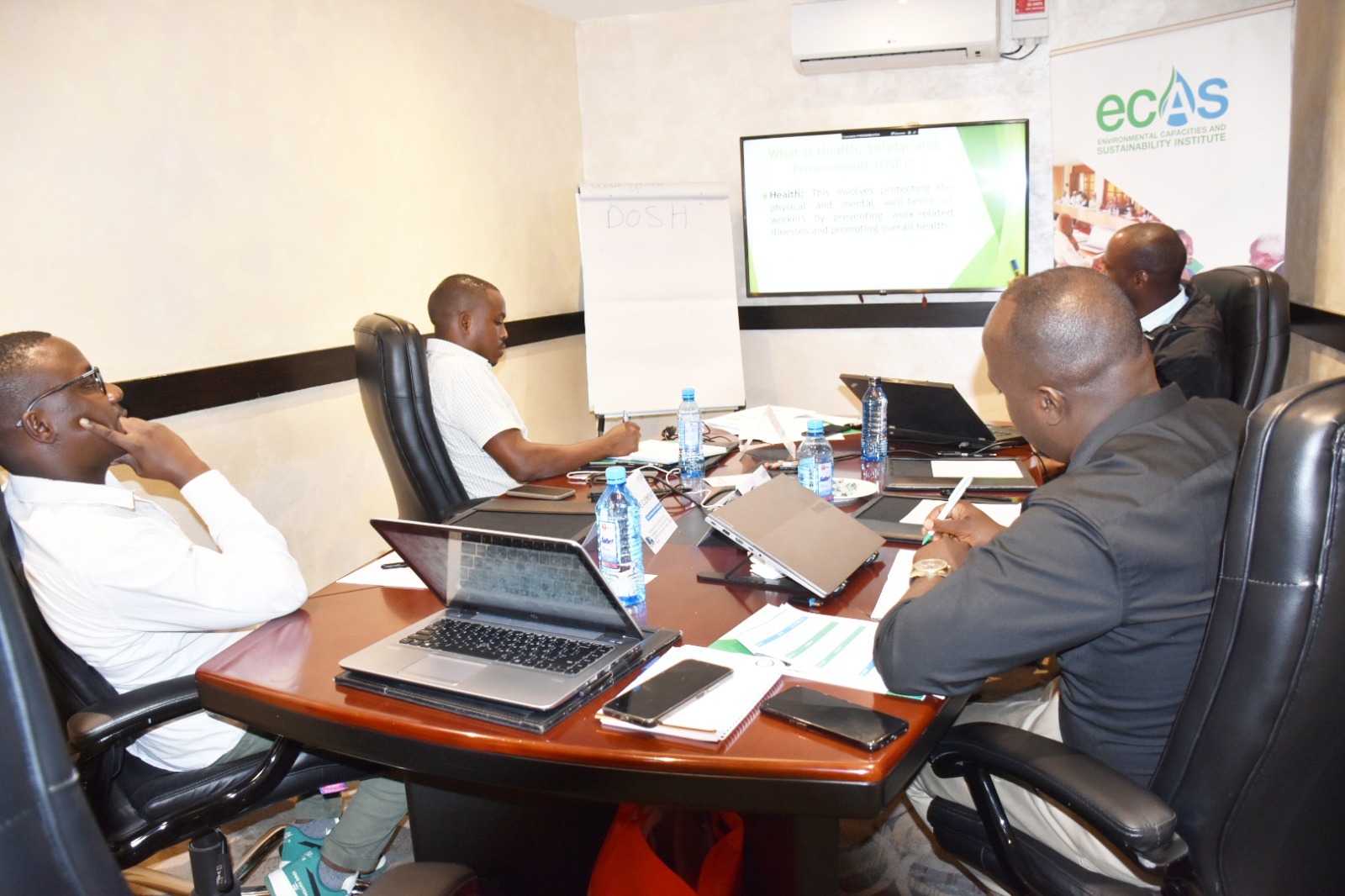
The course will be delivered through lectures, PowerPoint presentations, case studies,
field visits, breakout sessions, and interactive discussions. Guest speakers will contribute
both in person and online, offering practical insights alongside theoretical content.
General Notes
Training manuals and reference materials will be provided.Participants will receive a certificate upon successful completion.Tailor-made courses are available upon request.Contact: info@ecasiafrica.orgAbout ECAS Institute
The ECAS Institute designs and delivers independent training, research, and consulting services
focused on climate change, resilience building, renewable energy, biodiversity conservation,
and sustainable food systems. Based in Nairobi, Kenya, ECAS operates across Africa and
supports global partners in Europe and the United States.