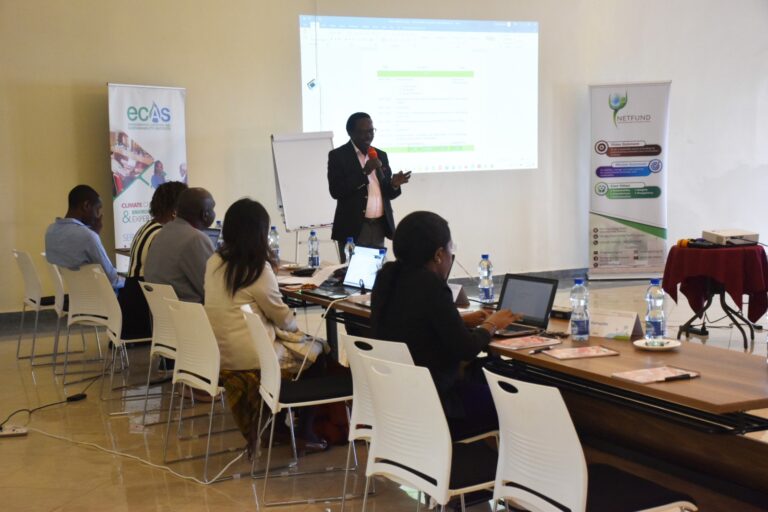
International Training on Climate-Resilient Infrastructure
Background
Climate change is widely recognized as one of humanity’s greatest threats. Global frameworks such as the
UNFCCC, Kyoto Protocol, and the Paris Agreement have driven national and sub-national ambition,
particularly on mitigation, adaptation, and climate finance.
The IPCC AR6 Synthesis Report confirms that continued greenhouse gas emissions will intensify global
warming, with increasing risks to infrastructure systems worldwide. Africa’s infrastructure is already
experiencing climate-related damage, with projected repair and maintenance costs exceeding
USD 150 billion.
Climate hazards such as flooding, droughts, bushfires, temperature extremes, and changing precipitation
patterns are accelerating the deterioration of roads, bridges, water systems, and buildings—disrupting
economic productivity and community livelihoods.
In response, the Environmental Capacities and Sustainability Institute (ECAS Institute) has designed
this intensive ten-day training to strengthen professional capacity for planning, designing, financing,
and managing climate-resilient infrastructure systems.
Objectives of the Training
Understand climate-resilient infrastructure as a cornerstone for sustainable developmentIdentify key challenges and bottlenecks to resilient infrastructure deliveryAnalyze local and structural capacity constraints in developed and developing contextsApply international standards for resilient infrastructure developmentUse tools to assess and evaluate climate-resilient infrastructure projectsUnderstand planning, financing, and implementation dynamics in AfricaApply green procurement and contracting principlesDesign resilient infrastructure for hilly and mountainous landscapesWhat You Will Learn
Climate adaptation, climate risk, and resilience conceptsInfrastructure vulnerability and risk assessmentInternational standards for resilient infrastructureClimate-resilient project appraisal toolsFinancing climate-resilient infrastructure in AfricaDesigning resilient infrastructure in complex terrainsDuration & Venue
The workshop will run for ten (10) days, including a field visit to climate-resilient feeder roads.
Location: (TBC) | Venue: (TBC)
Target Participants
Engineers and infrastructure professionals involved in planning, procurement, design, construction,
operation, maintenance, regulation, or asset management who need to integrate climate risk and resilience
into infrastructure projects.
Training Fee
USD 3,000 per participant (payable one week before training).
The fee covers training, conference materials, certification, and SGR travel to Mombasa (round trip).
Participants are responsible for accommodation, local transport, and related logistics.
Training Modules
Applied Climate Science for Infrastructure ProfessionalsClimate Law and Policy for Infrastructure PractitionersClimate Risk, Vulnerability Assessment & ManagementPublic-Private Partnerships, Asset Management & Climate ResilienceClimate-Resilient Infrastructure in Mountainous & Hilly LandscapesTraining Style
The course combines expert-led lectures, PowerPoint presentations, breakout discussions,
case studies, field visits, and guest speakers (in-person and virtual). Sessions emphasize
practical application and peer learning.
General Notes
Training manuals and reference materials providedCertificate issued upon successful completionCustomised training available for institutionsPayment confirmation required before training startAdvance your expertise in climate-resilient infrastructure.
Talk to Us | info@ecasiafrica.org