International Training on Climate Change and Health: From Science to Action
Course Background
Climate change is a major global challenge affecting ecosystems, economies, and human health. Rising temperatures, extreme weather, air pollution, and changing disease patterns pose significant threats to public health, especially for vulnerable populations like children, the elderly, and low-income communities.
ECAS Institute’s “Climate Change and Health: From Science to Action” course equips health professionals, policymakers, environmental specialists, and development practitioners with the knowledge and tools to understand, mitigate, and adapt to climate-related health risks.
The course bridges scientific research, policy frameworks, and practical applications, enabling participants to take meaningful action to strengthen public health systems and promote climate resilience.
Course Objectives
Understand climate science and its direct and indirect effects on human health.Identify key health risks from extreme weather, air pollution, waterborne diseases, and food insecurity.Analyze population vulnerabilities to climate-related health impacts.Develop adaptation and mitigation strategies for public health protection.Integrate climate considerations into health policies at all levels.Explore financing mechanisms for climate-health interventions.Enhance intersectoral collaboration among public health, policy, and climate sectors.Apply monitoring and evaluation frameworks for climate-health programs.What You Will Learn
Impacts of climate change on infectious diseases, air quality, nutrition, and mental health.Health consequences of heatwaves, floods, droughts, and storms.Identification of high-risk populations including children, elderly, and marginalized communities.Strategies to reduce emissions, improve air quality, and strengthen food and water security.Enhancing healthcare infrastructure resilience, emergency response, and disease surveillance.Mainstreaming climate adaptation into national health strategies and programs.Accessing funding from international climate mechanisms for health interventions.Learning from successful global and regional climate-health programs.Target Participants
This course is designed for health professionals, epidemiologists, public health officials, government policymakers, urban planners, environmental regulators, climate scientists, environmental specialists, researchers, NGOs, humanitarian organizations, and students in public health, environmental science, and sustainable development. It is also relevant for private sector stakeholders in healthcare, pharmaceuticals, and sustainability.
Training Modules
| No | Module | Details |
|---|
| 1 | Foundations of Climate Change and Public Health | Climate science, regional health risks, environmental determinants, vulnerable populations, international frameworks. |
| 2 | Climate-Sensitive Infectious Diseases | Vector-borne diseases, waterborne and airborne diseases, outbreak case studies, disease surveillance systems. |
| 3 | Non-Communicable Diseases and Climate Change | Air pollution, heat stress, mental health, nutrition and food security, strategies to reduce non-communicable disease risks. |
| 4 | Extreme Weather Events and Health System Resilience | Health impacts of heatwaves, floods, wildfires, hurricanes; emergency response; infrastructure resilience; mental health support; data-driven adaptation. |
| 5 | Water, Food Security, and Public Health | Climate impact on food and water security, sustainable agriculture, malnutrition, food safety, public health policy interventions. |
| 6 | Urbanization, Air Pollution, and Environmental Health | Urban heat islands, air pollution impacts, climate-smart urban planning, indoor air quality, strategies to reduce pollution-related health risks. |
| 7 | Policy, Governance, and Advocacy in Climate-Health Action | Integrating climate into health policies, strengthening health systems, advocacy, public-private partnerships, international financing mechanisms. |
| 8 | Case Studies, Best Practices, and Practical Applications | Real-world adaptation strategies, action plans for resilient healthcare, community-led solutions, scenario-based exercises, presentations and discussions. |
Training Style
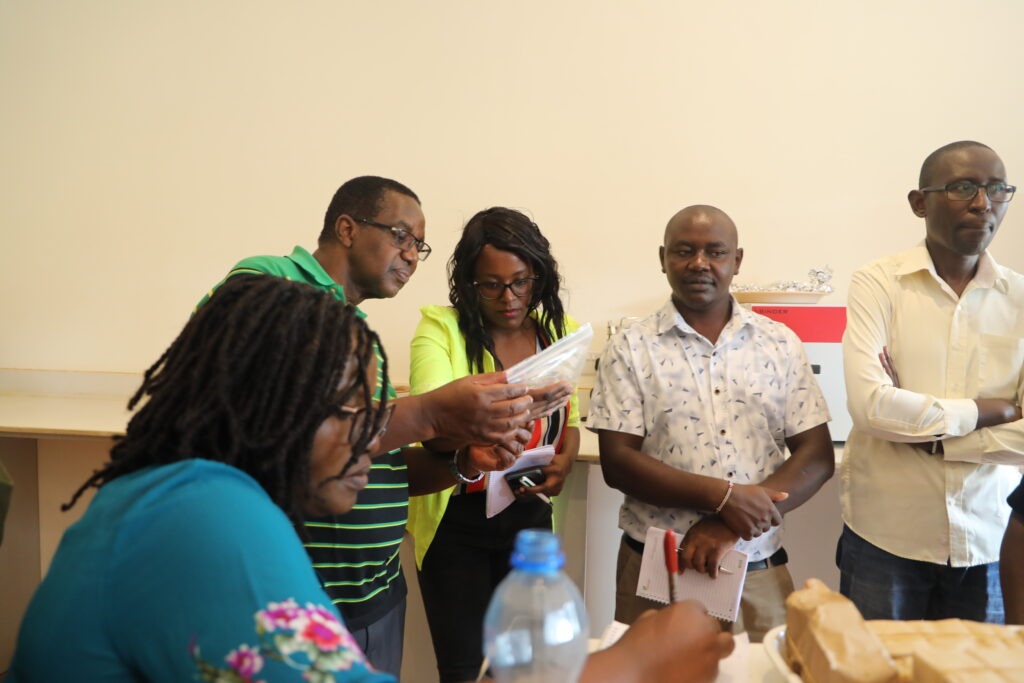
Blended learning approach combining lectures, policy frameworks, case studies, hands-on workshops, simulation exercises, role-playing, and peer learning. Participants gain practical tools and strategies to integrate climate considerations into public health policies and programs effectively.
General Notes
Training manuals and reference materials provided.Certificate issued upon completion.Tailor-made courses available for organizations.Payment before training; proof sent to info@ecasiafrica.org.Strengthen public health systems and build climate resilience through informed climate-health interventions.
Contact ECAS Institute | info@ecasiafrica.org