International Training on Promoting Youth Employment and Reducing Child Labour in Agriculture
Course Background
Despite global efforts, child labour remains prevalent in agriculture, while youth unemployment in rural areas is widespread. These issues are interlinked: limited decent work opportunities for youth can push children into exploitative labour. Policies and programs often address these separately, missing opportunities for integrated impact.
ECAS Institute provides this training to offer integrated solutions promoting youth employment while reducing child labour. Participants gain strategies to improve policy coherence and practical approaches that support young people accessing decent agricultural work, contributing to sustainable rural development and the elimination of harmful child labour practices.
Course Objectives
Understand the differences between youth employment and child labour in agriculture.Explain the linkages between youth under-/unemployment and child labour in agricultural value chains.Propose integrated initiatives to simultaneously promote youth employment and reduce child labour.What You Will Learn
Definitions and distinctions between child labour and youth employment in agriculture.How youth unemployment contributes to child labour.Strategies for policy and program coherence to achieve both child labour reduction and youth employment promotion.Practical measures to help young people access decent work opportunities in agriculture.Duration and Program
The course is structured to guide participants through integrated youth employment and child labour reduction strategies. Detailed schedules, session timings, and interactive activities will be communicated prior to training.
Target Participants
Agricultural Producers and Organizations: Farmers, cooperatives, and associations.Small & Large Agribusinesses: Companies operating in agricultural value chains.Policy Makers and Advisors: Government officials and technical experts shaping agricultural policies.NGOs and Public/Private Sector Professionals: Engaged in youth empowerment, child protection, and rural development.Training Modules
| No | Module | Details |
|---|
| 1 | Understanding Child Labour and Youth Employment: Definitions and Linkages | Defines child labour and youth employment in agriculture, explores interconnections, and socio-economic drivers affecting both. |
| 2 | Enhancing Policy and Programme Coherence | Examines policies and programs to integrate child labour reduction and youth employment promotion, identifies gaps, and showcases successful case studies. |
| 3 | Strategies for Promoting Decent Youth Employment and Reducing Child Labour | Provides actionable strategies, including skill development, access to land and markets, safe work environments, social protection, and stakeholder partnerships. |
Training Style
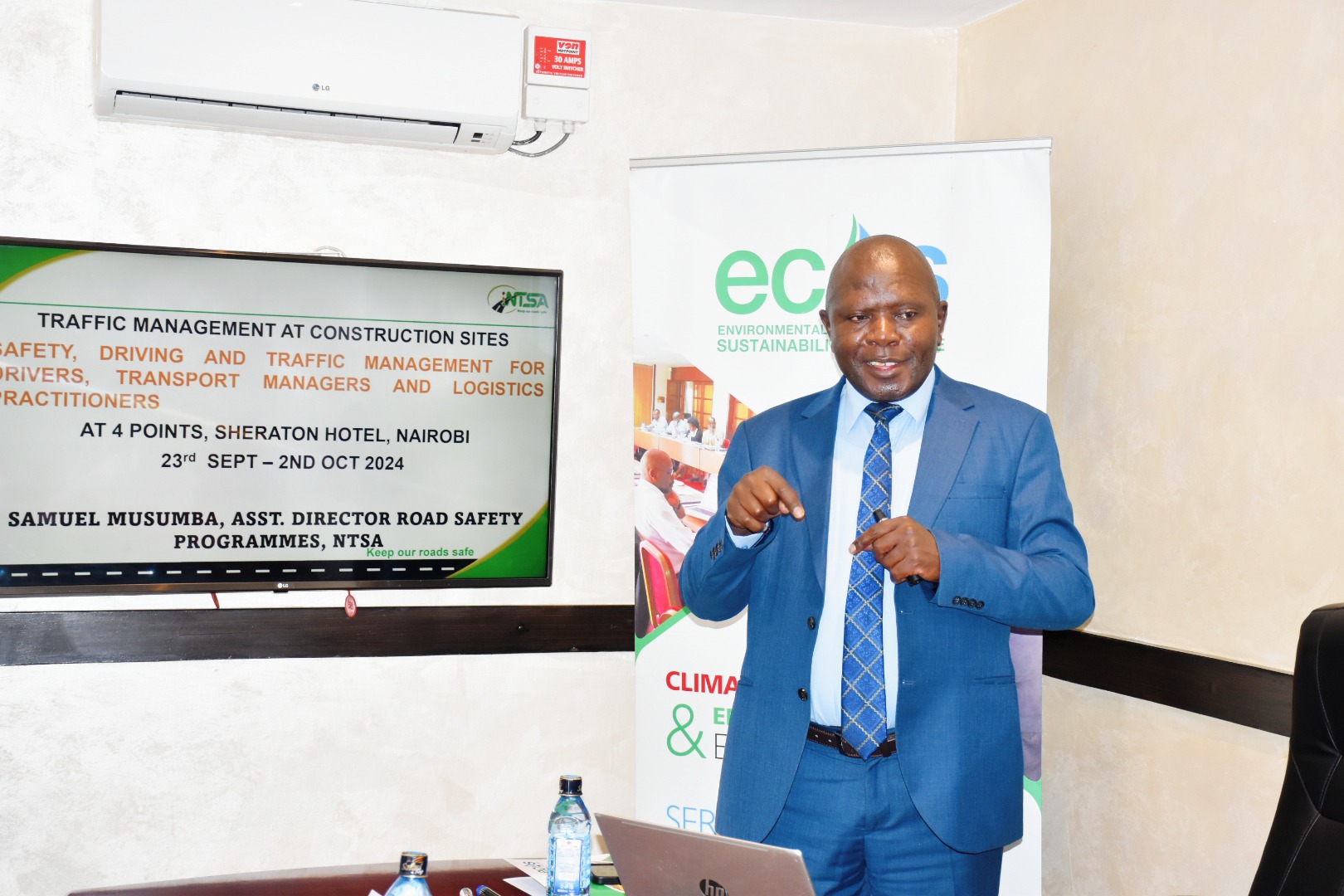
Modules are delivered through PowerPoint presentations, lectures, case studies, field visits, breakout sessions, and interactive discussions. Guest speakers (in-person or online) provide real-world insights. Faculty includes experienced decision-makers and practitioners from climate, engineering, and development sectors.
General Notes
Training manuals and reference materials provided.Certificates awarded upon successful completion.Tailor-made courses available—contact info@ecasiafrica.org.Payment sent to ECAS bank account before training; proof emailed to info@ecasiafrica.org.About ECAS Institute
ECAS Institute designs and delivers targeted training, research, and consulting services focused on climate change, resilience, carbon markets, renewable energy, biodiversity conservation, agriculture, and food systems. Located in Nairobi, Kenya, ECAS works across Africa and globally, supporting partners in the UK, Denmark, Italy, Sweden, Germany, and USA.