International Training on Data and Statistical Analysis and Presentation
Enhancing Data-Driven Decisions in Environmental and Development Policy
Course Background
As governments, organizations, and communities across Africa strive to address complex environmental and development challenges, the demand for data-informed decisions has never been greater. From climate change adaptation and natural resource management to poverty reduction and governance reforms, reliable data and sound statistical analysis form the backbone of effective policy formulation, monitoring, and evaluation.
However, data is only powerful when it is properly collected, analyzed, interpreted, and communicated. Many professionals in policy and development fields face challenges in making sense of large data sets, selecting appropriate analytical methods, and presenting their findings in a way that influences decisions. This gap often leads to underutilized data, poorly communicated reports, or missed opportunities for impact.
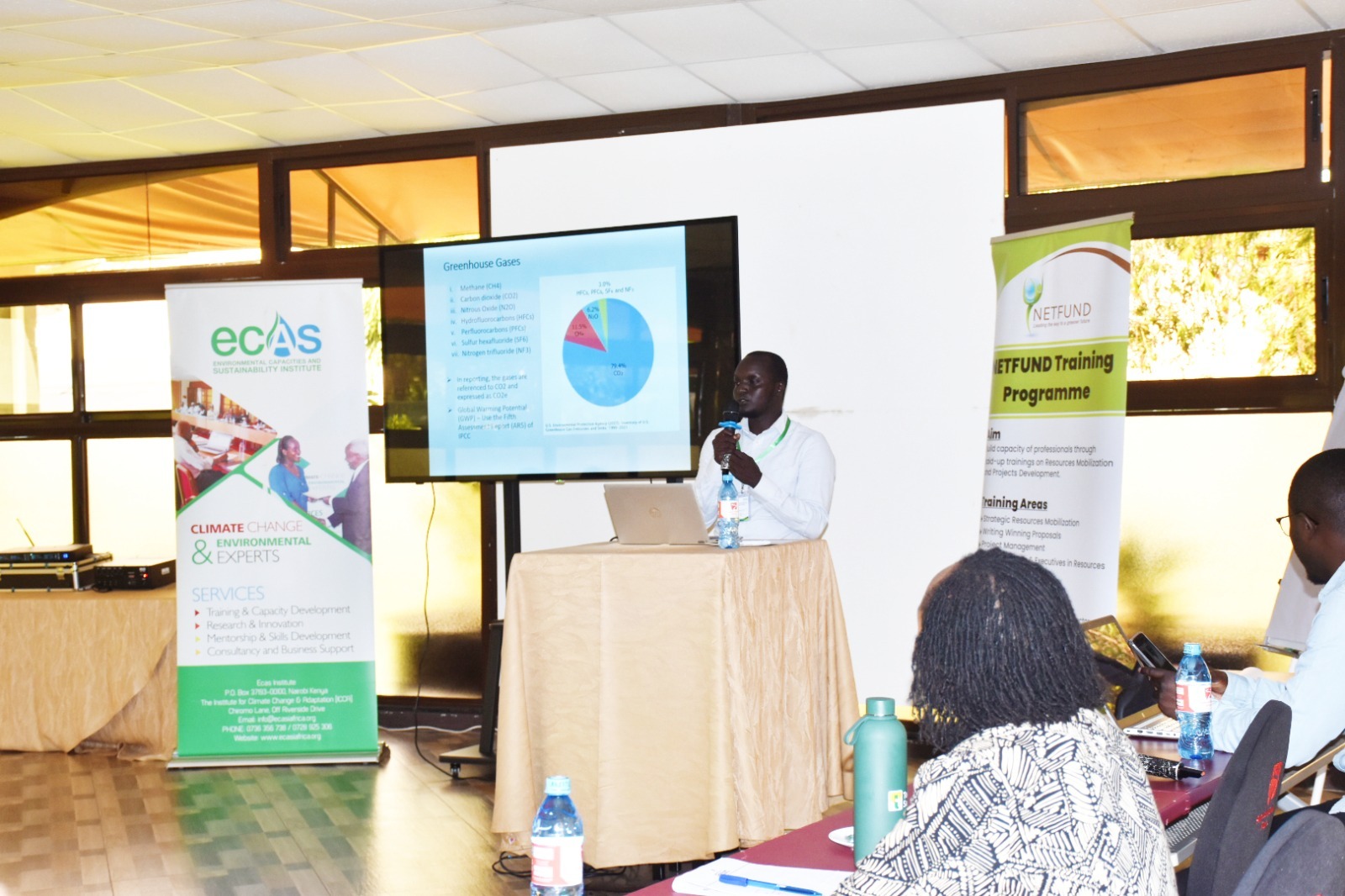
To address these challenges, the Environmental Capacities and Sustainability Institute (ECAS) offers this course to build practical, hands-on skills in data analysis and presentation. The course is tailored for African practitioners working in government, NGOs, international agencies, and research institutions. It balances statistical theory with real-world applications, using relevant data sets related to environment, health, economics, and governance. It also emphasizes the ethical use of data and the importance of presenting complex results in a simple, clear, and visually engaging way for both technical and non-technical audiences.
Course Objectives
Understand foundational concepts in data types, sources, and collection methods.Clean, organize, and manage datasets using appropriate tools and techniques.Apply basic and intermediate statistical methods to analyze data relevant to environmental and development sectors.Interpret statistical outputs and translate them into clear, evidence-based insights.Design and present visual data stories using charts, graphs, and dashboards.Communicate findings effectively to inform policy decisions, reports, and stakeholder engagement.Use software tools such as Microsoft Excel, SPSS, or R for data analysis and visualization.Ensure ethical use of data, including transparency, accuracy, and respect for privacy.What You Will Learn
Distinguish between quantitative and qualitative data.Identify reliable sources of environmental and socio-economic data.Perform data cleaning and basic statistical operations (e.g., mean, median, standard deviation).Conduct correlation, regression, and trend analysis.Create impactful data visuals (e.g., bar charts, pie charts, time-series plots).Design data-driven reports and presentations for decision-makers.Avoid common data misinterpretations and presentation errors.Apply storytelling principles to turn complex findings into simple messages.Training Modules
Understanding Data and Its Role in Decision-Making: Types of data: quantitative vs. qualitative, primary vs. secondary data sources, and the importance of data in policy and environmental planning.Data Collection, Cleaning, and Preparation: Methods of data collection, handling missing data, and preparing data for analysis using Excel or Google Sheets.Introduction to Statistical Analysis: Descriptive statistics and simple data analysis using Excel or SPSS.Exploring Trends and Relationships in Data: Time-series analysis, correlation, and regression analysis.Data Visualization and Presentation: Creating charts, graphs, infographics, and dashboards using Excel, PowerPoint, and other tools.Communicating Statistical Findings to Non-Technical Audiences: Writing data-driven narratives for reports and presentations, and structuring findings for policy briefs or donor reports.Practical Application and Project Work: Working on a mini data project using real or simulated datasets and preparing a final report or presentation.Target Participants
This course is designed for professionals who work with data to support policy-making, program evaluation, or advocacy in the fields of environment, governance, public health, agriculture, climate change, and sustainable development. It is ideal for government officials, monitoring and evaluation (M&E) officers, data analysts, researchers, NGO staff, and project managers who need to analyze, interpret, and present data effectively. The course is suitable for both technical and non-technical practitioners, including those with limited formal training in statistics, but who regularly engage with data for reporting, decision-making, or stakeholder communication.