International Training on Managing Information Assets: Effective Records Management
Learn to manage organizational records efficiently in a digital and data-driven environment. This course equips professionals with strategies to implement robust records management systems, ensure compliance, and secure critical information assets.
Course Objectives
Understand the principles of records and information management.Design and implement efficient records management systems.Comply with legal and regulatory requirements for records retention and disposal.Develop strategies to protect sensitive information.Leverage digital records management tools, cloud storage, and cybersecurity practices.Enhance organizational efficiency through structured information governance.Plan for disaster recovery and business continuity in records management.Audit and assess records management programs effectively.What You Will Learn
Fundamentals of records management and evolving trends.Developing policies and procedures for classification, storage, and retrieval.Legal and regulatory compliance including data protection laws.Digital records management, including EDRMS, cloud solutions, and AI-driven archiving.Information security and risk management for records.Retention and disposal strategies for physical and digital records.Disaster recovery planning and business continuity strategies.Evaluation and auditing of records management programs.Target Participants
Records managers, information officers, archivists, IT professionals, compliance and legal officers, administrative personnel, and policymakers in public and private sectors. Ideal for professionals in government institutions, NGOs, corporate organizations, financial institutions, and academia seeking advanced records management expertise.
Training Style
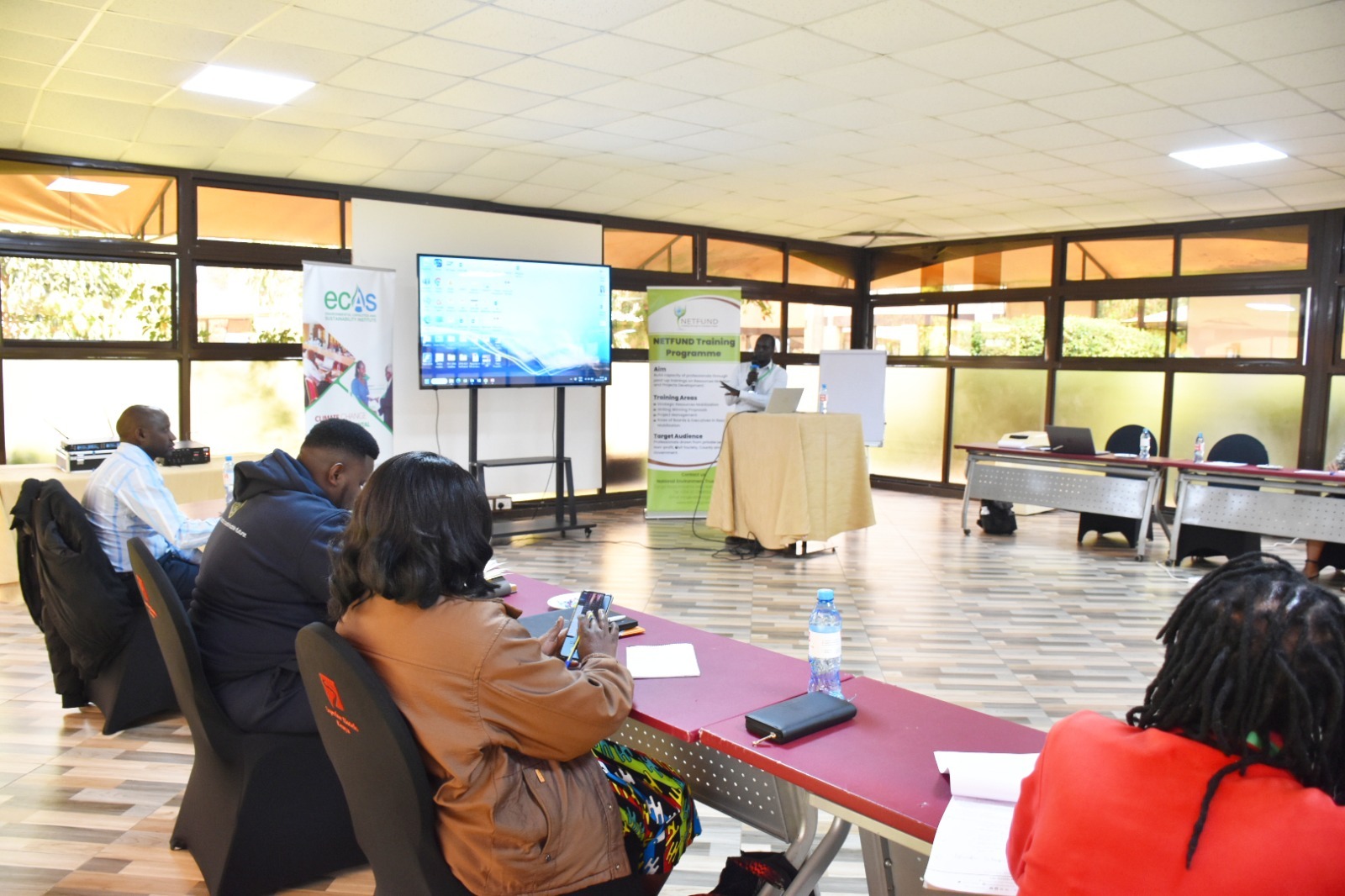
Interactive learning using PowerPoint presentations, lectures, case studies, field visits, breakout sessions, guest speakers (in-person and via Zoom), and hands-on workshops. Emphasis on practical applications, group discussions, plenary engagements, and facilitated exercises to ensure skills are immediately applicable.
Training Modules
| No | Module | Details |
|---|
| 1 | Introduction to Records and Information Management | Definition and scope, importance of effective records management, lifecycle management, classification, policies, and best practices. |
| 2 | Legal and Regulatory Frameworks in Records Management | Compliance with laws and regulations, data protection, ethical handling of information, compliance audits, legal holds, and e-discovery processes. |
| 3 | Digital Records Management and Information Security | Digital vs. physical records, EDRMS implementation, cybersecurity, cloud-based storage, metadata, indexing, and searchability. |
| 4 | Disaster Recovery, Business Continuity, and Archiving | Disaster recovery planning, mitigating risks, long-term preservation of digital and physical archives, secure storage, and business continuity strategies. |
| 5 | Implementing and Evaluating a Records Management Program | Designing and implementing policies, employee training, program monitoring and evaluation, stakeholder engagement, and future trends in records management. |
General Notes
Training manuals and reference materials are provided.Certificate issued upon successful completion.Tailor-made courses available for organization-specific needs: info@ecasiafrica.orgPayment must be sent to our bank account before training; proof of payment emailed to the above address. Enroll Now
About ECAS Institute
The ECAS Institute delivers independent training, research, and consulting services focusing on climate change, resilience building, carbon markets, renewable energy, nature-based solutions, biodiversity conservation, agriculture, and food systems. Based in Nairobi, Kenya, ECAS operates across Africa and globally with partners from the UK, Denmark, Italy, Sweden, Germany, and the USA.