International Training on Carbon Market Fundamentals
Course BackgroundObjectivesTraining ModulesTarget ParticipantsTraining StyleAbout ECAS InstituteCourse Background
As global climate concerns intensify, carbon markets have emerged as a pivotal tool for organizations to responsibly manage their environmental impact. ECAS Institute’s “Carbon Market Fundamentals” course equips participants with essential knowledge to navigate these complex markets effectively.
The program covers the purpose of carbon markets, key terminology, historical and policy drivers, differences between compliance and voluntary markets, assessment of carbon projects, and practical guidance for responsible market engagement.
Course Objectives
Define the purpose of carbon markets and carbon credits.Explain key concepts and terminology prevalent in carbon markets.Determine carbon credit quality, including associated risks and benefits.Provide insight into the role of carbon offsets in corporate climate commitments.Compare compliance and voluntary markets.Assess the value of different project types for carbon offset generation.Training Modules
| Module | Details |
|---|
| Carbon Markets Overview | Purpose of carbon markets, key terminology, historical and policy drivers, and difference from carbon taxes. |
| Compliance & Voluntary Markets | Overview of market types, features, examples, market dynamics, and net zero vs carbon neutral definitions. |
| Projects | Project types, offset characteristics, credibility, project ratings (mechanism, causality, additionality, permanence, cost, co-benefits), and certification process. |
| Engaging with Carbon Markets | Offset lifecycle, due diligence around project quality and climate commitments, and responsible purchasing. |
| Current State & Market Trends | Contemporary market landscape, emerging trends, challenges, and guidelines for responsible engagement. |
Target Participants
This course is ideal for:
Management teams and business analystsManagement and financial consultantsProfessionals in sustainability, ESG, or climate-related roles in both private and public sectorsTraining Style
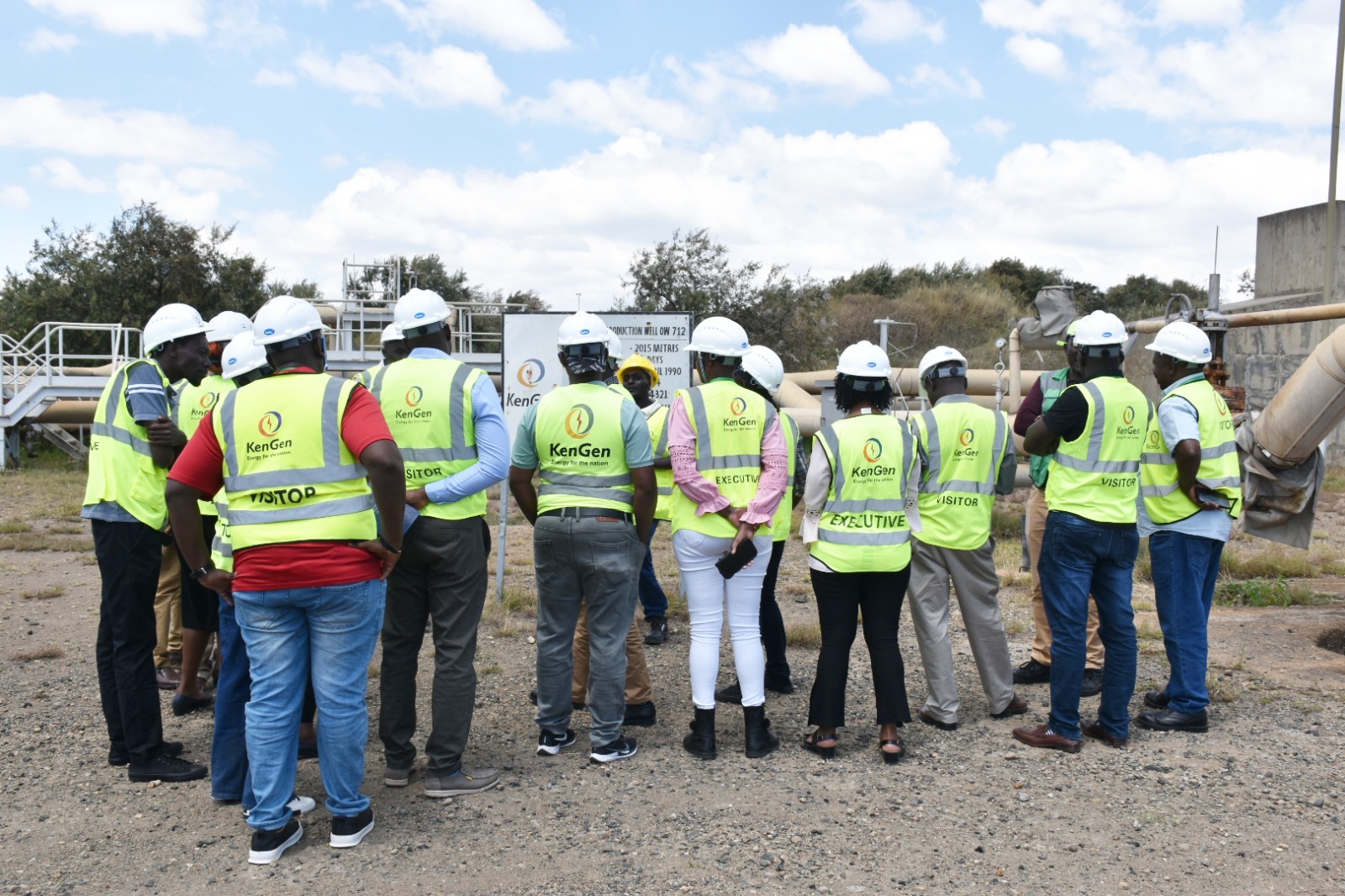
The course includes PowerPoint presentations, lectures, case studies, breakout sessions, field visits, and interactive discussions. Guest speakers, both in-person and online, will provide real-world insights. Participants will receive training manuals, reference materials, and a certificate upon completion.
About ECAS Institute
ECAS Institute delivers independent training, research, and consulting in climate change, carbon markets, renewable energy, biodiversity conservation, agriculture, and food systems. Based in Nairobi, Kenya, ECAS works across Africa and globally to support climate and energy initiatives.
Contact: info@ecasiafrica.org