Socially Responsible Renewable Energy Development
Short Course on Community Engagement and Benefit Sharing in Renewable Energy Projects
Course Background
Rapid renewable energy development requires genuine community support to succeed. Without a social license, even technically sound projects face hurdles that can hinder growth and benefits to local communities. This short course equips renewable energy practitioners with skills and strategies to build social license, implement effective community engagement, and ensure equitable benefit-sharing.
Course Objectives
Integrate key social considerations throughout renewable energy project developmentIdentify effective community engagement and benefit-sharing strategiesApply engagement strategies to unique social contextsAnalyze developer approaches impacting social licenseReflect on applying these strategies in professional or personal initiativesWhat You Will Learn
Concept of social license and fundamental engagement principlesUnderstanding diverse social contexts and stakeholder mappingDesigning, implementing, and evaluating engagement plansEngaging respectfully with Indigenous communities, including FPIC and cultural protocolsBenefit-sharing concepts and practical implementationLegal and financial co-investment and co-ownership modelsPartnerships for local economic development, procurement, and employmentComplaint management and navigating challenging community relationsDuration and Program
This is a two-week online course featuring theoretical sessions, practical exercises, and guest presenters from the industry. Detailed schedules and session activities will be provided upon registration.
Target Participants
Renewable energy project developersProject managersCommunity engagement professionalsIndividuals seeking expertise in socially responsible renewable energy developmentTraining Modules
| Module | Details |
|---|
| Understanding Social License + Engagement Principles | Defining social license, factors influencing acceptance, ethics, early and continuous engagement |
| Gaining Strategic Knowledge of the Social Context | Social impact assessment, stakeholder mapping, community values, demographics, local governance |
| Developing Effective Community Engagement Plans + Evaluation | Engagement plan elements, communication, consultation, feedback, monitoring, adaptive management |
| Engaging with Indigenous Communities | FPIC, cultural protocols, traditional land rights, partnership models, case studies |
| Benefit Sharing Concepts + Options | Direct vs. indirect benefits, financial models, non-financial benefits, community funds, equity participation |
| Legal + Financial Models of Co-investment + Co-ownership | Legal frameworks, joint ventures, cooperatives, financial structuring, risk/reward sharing |
| Forming Partnerships for Local Economic Development | Local procurement, employment, skills development, long-term legacy initiatives |
| Effective Complaint Management + Handling Tricky Situations | Grievance mechanisms, conflict resolution, de-escalation, expectation management, transparency |
Training Style
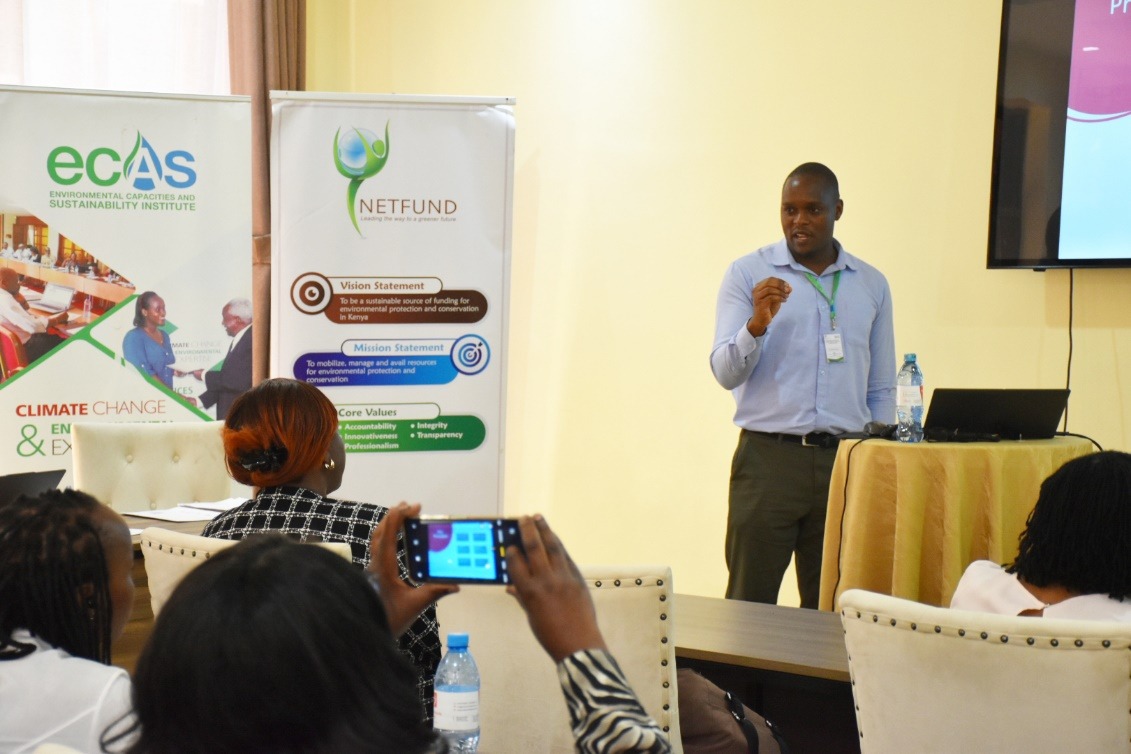
PowerPoint presentations, lectures, case studies, breakout sessions, field visits, and interactive discussions. Guest speakers join both in person and online to provide real-world insights. Group discussions and plenary sessions ensure practical learning alongside theory.
General Notes
Training manuals and additional reference materials providedCertificate awarded upon successful completionTailor-made courses available upon requestContact: info@ecasiafrica.org