International Training on Adaptation Planning and Assessment for Coastal Communities
Course Background
Coastal communities are increasingly vulnerable to climate change impacts, including sea-level rise, storms, coastal erosion, and biodiversity loss. These hazards threaten livelihoods, infrastructure, and ecosystems. The ECAS Institute offers this specialized course to equip scientists, policymakers, planners, and development practitioners with tools and strategies for climate-resilient coastal management.
The course integrates risk assessment, engineering solutions, nature-based adaptation strategies, policy frameworks, and stakeholder engagement. Emphasis is given to sustainable solutions such as mangrove restoration, coral reef conservation, and wetland protection. Participants will also explore climate finance mechanisms for implementing adaptation projects at local, national, and regional levels.
Through interactive sessions, case studies, and hands-on exercises, participants will develop practical skills to design climate-smart coastal adaptation plans that protect both human and natural systems.
Objectives of the Training
Understand climate impacts on coastal communities and ecosystemsAssess vulnerabilities from sea-level rise, storms, and other hazardsDevelop adaptation strategies enhancing resilience and protecting infrastructureApply climate risk assessment tools in coastal planningIntegrate nature-based solutions like mangrove restorationStrengthen policy and institutional frameworks for adaptationAccess and manage climate finance for adaptation projectsEngage stakeholders in climate adaptation effortsWhat You Will Learn
Climate change impacts and coastal vulnerabilitiesCoastal risk and impact assessment tools, including GIS and remote sensingAdaptation strategies, combining engineered and nature-based solutionsCommunity-based adaptation approachesClimate-smart coastal infrastructure and urban planningPolicy integration and governance frameworksFinancing mechanisms for coastal adaptationMonitoring, evaluation, and reporting (M&E) of adaptation initiativesTarget Participants
This course is intended for government officials, urban planners, environmental managers, disaster risk reduction experts, community leaders, academics, NGOs, private sector professionals, and policymakers engaged in coastal management and climate resilience initiatives.
Training Modules
| No | Module | Details |
|---|
| 1 | Introduction to Climate Change and Coastal Vulnerabilities | Understanding coastal climate risks, sea-level rise, extreme weather, socio-economic and ecological impacts, displacement, and global adaptation frameworks. |
| 2 | Risk and Impact Assessment for Coastal Areas | Vulnerability assessments, GIS and remote sensing tools, socio-economic risk evaluation, disaster risk reduction strategies, and case studies. |
| 3 | Adaptation Strategies for Coastal Resilience | Hard engineering solutions, nature-based solutions, sustainable fisheries, urban resilience strategies, climate-smart agriculture, and water management. |
| 4 | Community-Based Adaptation and Stakeholder Engagement | Local knowledge integration, participatory planning, early warning systems, social inclusion, and private sector engagement. |
| 5 | Policy Integration and Institutional Strengthening | Mainstreaming adaptation into policies, institutional frameworks, multi-sector coordination, regulatory challenges, and policy case studies. |
| 6 | Financing Coastal Adaptation and Climate Resilience | Climate finance mechanisms, international funding (Green Climate Fund, Adaptation Fund), PPPs, economic valuation, and financial risk management. |
| 7 | Monitoring, Evaluation, and Reporting (M&E) | M&E frameworks, adaptation effectiveness indicators, data collection and reporting, adaptive management, and case studies. |
| 8 | Practical Applications and Case Studies | Real-world adaptation examples, simulation exercises, policy scenario planning, stakeholder role-plays, and developing action plans tailored to participants’ regions. |
Training Style
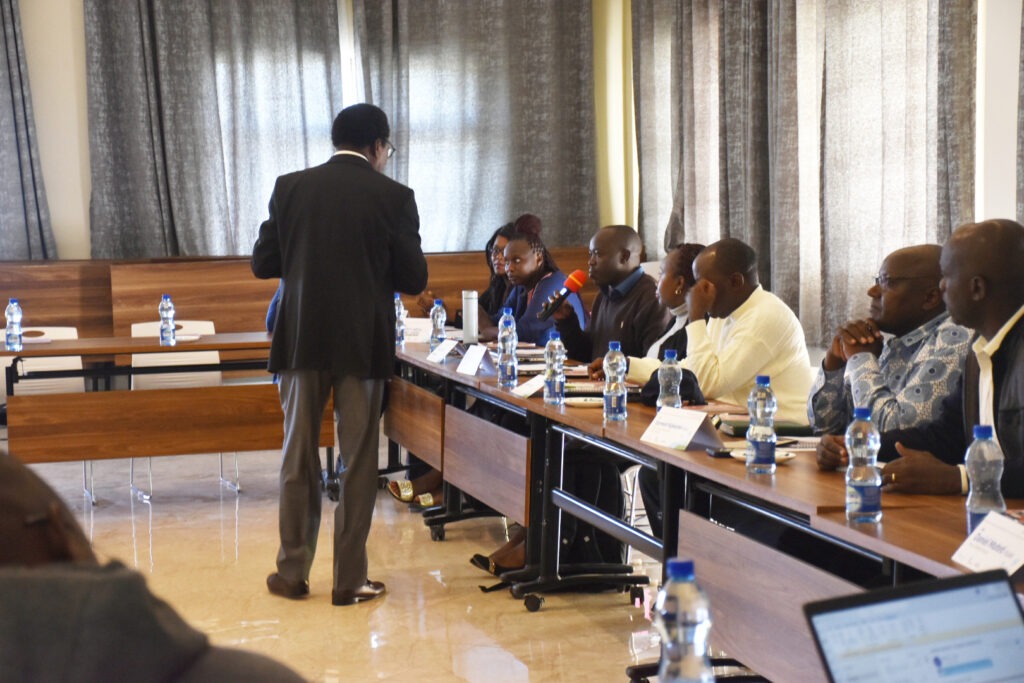
The course combines theoretical learning and practical applications. It features lectures, expert presentations, case study analyses, hands-on workshops, GIS and remote sensing exercises, simulation exercises, role-playing, and group discussions. Participants will develop customized adaptation action plans for their coastal regions.
General Notes
Training manuals and reference materials providedCertificate issued upon successful completionTailor-made courses available for organizationsPayment should be sent to the bank before training; proof sent to info@ecasiafrica.orgStrengthen your expertise in coastal adaptation planning and climate resilience strategies.
Contact ECAS Institute | info@ecasiafrica.org
About ECAS Institute
ECAS Institute delivers independent training, research, and consulting in climate change, resilience building, carbon markets, renewable energy, nature-based solutions, biodiversity conservation, agriculture, and food systems. Based in Nairobi, Kenya, ECAS works across Africa and globally, supporting partners from the UK, Denmark, Italy, Sweden, Germany, and the USA.