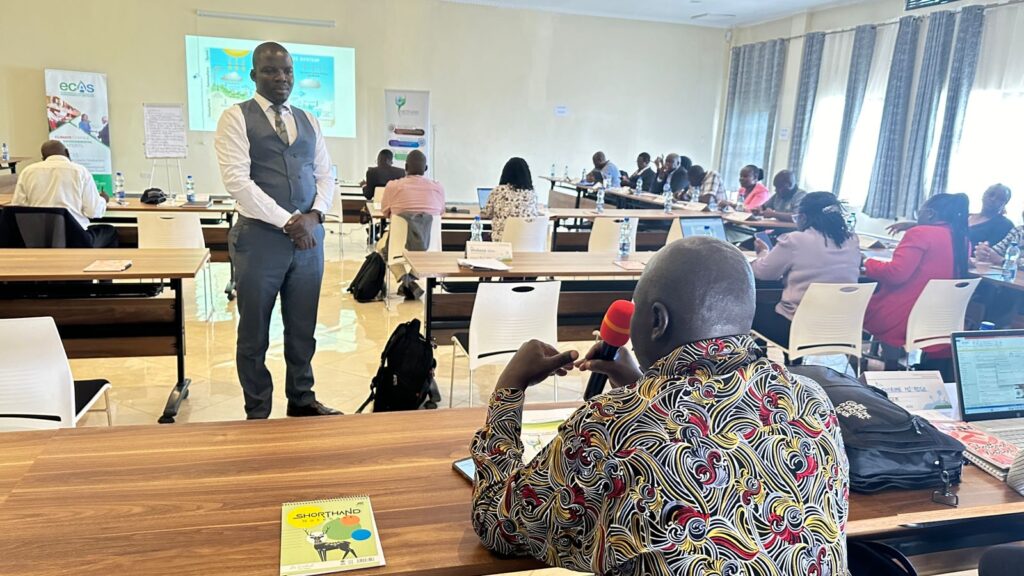
International Training on Integrated Planning for Nature and Biodiversity-Based Solutions to Climate Change
Course Background
As climate change accelerates, the integration of nature-based solutions (NbS) and biodiversity conservation has become critical. Healthy ecosystems—including forests, wetlands, and coastal habitats—support climate mitigation, adaptation, and resilience. However, many development and climate strategies fail to fully incorporate biodiversity into planning processes.
ECAS Institute has designed this course to equip participants with the tools, strategies, and frameworks necessary to integrate NbS into climate adaptation and mitigation efforts. Participants will learn how ecosystem-based approaches can enhance resilience, support livelihoods, and contribute to sustainable economic growth.
Course Objectives
Understand the role of biodiversity and ecosystems in climate mitigation and adaptation.Develop integrated planning frameworks incorporating NbS.Assess the effectiveness of ecosystem-based approaches in reducing climate risks.Apply tools and methodologies for biodiversity-sensitive climate planning.Enhance policy integration of NbS into national climate strategies and development plans.Improve financing and investment strategies for nature-based climate action.Strengthen stakeholder engagement in biodiversity and ecosystem conservation.Promote sustainable land-use practices balancing conservation with economic development.What You Will Learn
Principles of Nature-Based Solutions (NbS) for climate adaptation and mitigation.Biodiversity and ecosystem services in climate risk reduction.Ecosystem-based adaptation (EbA) strategies for various landscapes.Tools and techniques for integrating NbS into climate action plans.GIS and remote sensing applications for ecosystem and biodiversity monitoring.Financing mechanisms and policy instruments for NbS.Multi-stakeholder approaches to biodiversity and climate resilience.Case studies on successful NbS implementation worldwide.Target Participants
This course is designed for climate policymakers, environmental planners, conservation practitioners, natural resource managers, urban planners, researchers, and development professionals involved in climate adaptation, biodiversity conservation, and sustainable land-use management.
It is also suitable for government agencies, international organizations, NGOs, private sector actors, and community leaders working to integrate NbS into climate and development strategies at national and local levels.
Training Modules
Introduction to Nature-Based Solutions (NbS) for Climate Resilience
Role of nature in climate adaptation and mitigationKey concepts: Ecosystem-based Adaptation (EbA) and Mitigation (EbM)Global policy frameworks (CBD, UNFCCC, IPBES, SDGs)Link between biodiversity conservation and climate resilienceChallenges and opportunities in scaling NbSBiodiversity and Ecosystem Services in Climate Action
Importance of biodiversity for ecosystem stabilityEcosystem services supporting climate resilienceAssessing climate risks to biodiversity and ecosystemsConservation strategies to enhance resilienceIntegration into national climate policiesEcosystem-Based Adaptation (EbA) for Different Landscapes
Coastal and marine adaptation strategiesForest-based adaptation and sustainable land managementWetlands and freshwater ecosystem conservationUrban nature-based solutions for climate-resilient citiesAgroecology and sustainable agriculture adaptation strategiesTools and Methods for Integrating NbS into Climate Planning
Climate vulnerability assessments with ecosystem-based approachesGIS and remote sensing for biodiversity and ecosystem monitoringDecision-support tools for integrating NbSParticipatory planning and community-based adaptationDeveloping biodiversity-inclusive climate action plansFinancing and Investment Strategies for NbS
Financial mechanisms for nature-based solutionsPublic-private partnerships in NbS financingGreen bonds, carbon markets, and ecosystem service paymentsMobilizing international climate funds for NbS projectsDeveloping the business case for investing in ecosystem resiliencePolicy and Governance Frameworks for NbS Implementation
National and international NbS policy frameworksIntegration into NAPs and NDCsLegal and institutional frameworks for ecosystem conservationAligning NbS with sustainable development and economic planningPolicy instruments and incentives for adoptionMulti-Stakeholder Approaches to NbS Implementation
Engaging local communities in ecosystem-based adaptationPublic-private partnerships in NbS initiativesCross-sectoral collaborations for climate and biodiversity actionRole of Indigenous knowledge and traditional practicesAdvocacy and policy influence strategiesCase Studies and Best Practices in Nature-Based Climate Solutions
Global and regional NbS project examplesLessons from ecosystem-based adaptation initiativesMonitoring and evaluation of NbS effectivenessScaling NbS for national and international commitmentsRoadmap for integrating NbS into long-term climate strategiesTraining Style
This course combines expert-led lectures, interactive discussions, case study analysis, practical exercises, and group work. Participants will engage in GIS and remote sensing applications, policy simulations, and scenario-based planning exercises. Study tours and knowledge-sharing sessions provide practical insights and networking opportunities. Peer-to-peer learning, workshops, and policy dialogues ensure participants can apply NbS effectively in their professional contexts.
General Notes
Training manuals and reference materials are provided.Certificate issued upon successful completion.Tailor-made courses for organizations available: info@ecasiafrica.orgPayment before the start of training with proof sent to: info@ecasiafrica.orgAbout ECAS Institute
ECAS Institute delivers independent training, research, and consulting services in climate change, resilience building, carbon markets, renewable energy, nature-based solutions, biodiversity conservation, agriculture, and food systems. Based in Nairobi, Kenya, ECAS operates across Africa and globally, supporting partners in the UK, Denmark, Italy, Sweden, Germany, and the USA.