International Training on Green Growth, Green Economy, and Just Transition
Course Background
Transitioning to a sustainable, low-carbon economy is critical for addressing climate change, biodiversity loss, and resource depletion. Green growth and the green economy provide pathways for economic development that is environmentally sustainable, socially inclusive, and resilient. A just transition ensures that workers, communities, and vulnerable groups are not left behind in this transformation.
ECAS Institute’s course equips professionals with knowledge and skills to integrate green growth strategies, green economy principles, and just transition policies into national and sectoral frameworks. Participants will explore economic, environmental, and social linkages, while gaining practical insights into financing mechanisms, policy development, and inclusive workforce strategies.
Course Objectives
Understand green growth, green economy, and just transition concepts.Analyze links between environmental sustainability, economic development, and social inclusion.Explore policy frameworks and regulatory mechanisms supporting green growth.Assess strategies for a just transition protecting workers and communities.Learn financing mechanisms and investment opportunities in green growth.Examine case studies of successful green economy and just transition strategies.What You Will Learn
Fundamentals of green growth and the green economy.Economic, environmental, and social benefits of sustainability.Policy instruments and governance structures supporting green development.Roles of governments, businesses, and civil society in green transition.Key sectors driving the green economy (renewable energy, circular economy, sustainable agriculture).Workforce development and green job creation.Financing strategies for sustainable development and green investments.Case studies of successful green economic policies and just transitions.Target Participants
The course is designed for government officials, policymakers, private sector professionals, sustainability managers, corporate leaders, labor unions, social justice organizations, academics, researchers, and civil society leaders. Participants will gain insights and practical strategies for integrating green growth and just transition principles into policies, business models, and investment frameworks.
Training Modules
Introduction to Green Growth and Green EconomyDefinitions and principles.Role of sustainability in economic development.Green economy models and frameworks.Key sectors driving green growth.International commitments and initiatives.Policy Frameworks for Green Growth and Sustainable Development
National and international policies promoting green growth.Government roles in green economy transition.Regulations and incentives for green businesses.Climate policy integration into economic planning.Public-private partnerships in green growth.Financing the Green Economy
Investment mechanisms for sustainable transformation.Climate finance and green bonds.Role of international financial institutions.Private sector engagement in green growth.Innovative financial instruments for sustainability.The Just Transition: Principles and Strategies
Definition and importance.Ensuring social equity in climate and economic policies.Labor unions and worker protection.Training and reskilling for green jobs.Policy instruments for inclusive transitions.Green Jobs and Workforce Development
Impact of green growth on labor markets.Skills and competencies for the green transition.Opportunities and challenges in green job creation.Education and training programs for sustainable workforce.Case studies of green job programs.Circular Economy and Sustainable Resource Management
Principles of circular economy.Waste reduction, recycling, and resource efficiency.Sustainable production and consumption.Business models for circular economic practices.Case studies on circular economy implementation.Green Innovation and Technology for Sustainable Development
Role of technology in green growth.Renewable energy and energy efficiency solutions.Sustainable transportation and mobility.Digital solutions for environmental sustainability.Innovations in sustainable agriculture and food systems.Case Studies and Practical Applications
Analysis of successful green economy policies.Country-level just transition strategies.Private sector engagement in green business models.Designing policy recommendations for green growth.Developing action plans for sustainable economic transformation.Training Style
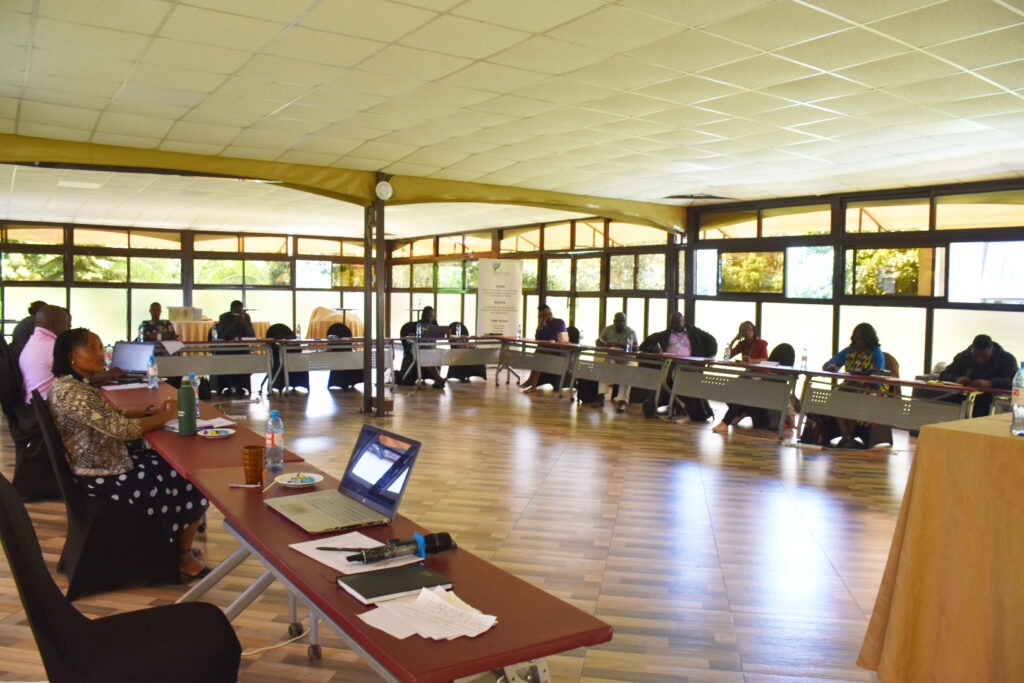
This course uses an interactive and participatory learning approach with expert presentations, real-world case studies, group discussions, and hands-on exercises. Participants will engage in policy analysis, scenario-based simulations, stakeholder dialogues, peer learning, and strategy-building sessions, gaining actionable insights for integrating green economy principles and ensuring just transitions.
General Notes
Training manuals and reference materials provided.Certificate issued upon successful completion.Tailor-made courses for organizations available: info@ecasiafrica.orgPayment before the start of training with proof sent to: info@ecasiafrica.orgAbout ECAS Institute
ECAS Institute delivers independent training, research, and consulting in climate change, resilience, carbon markets, renewable energy, nature-based solutions, biodiversity conservation, agriculture, and food systems. Based in Nairobi, Kenya, ECAS operates across Africa and globally, supporting partners in the UK, Denmark, Italy, Sweden, Germany, and the USA.